
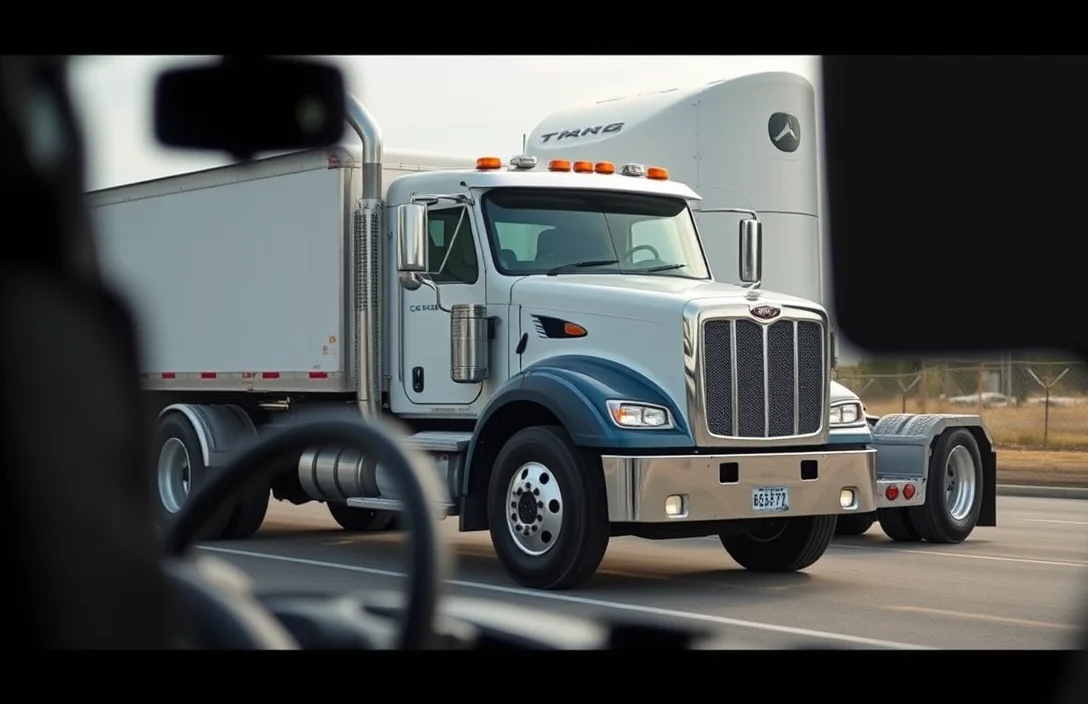
With rising fuel costs impacting budgets, choosing a fuel-efficient diesel truck is more crucial than ever. Many truck owners seek an optimal balance between power and fuel economy, ensuring their vehicle meets both work and financial needs without sacrificing performance.
When evaluating which diesel truck gets the best mpg, consider engine efficiency, vehicle weight, and driving conditions. Models like the Ford F-250, Ram 2500, and Chevrolet Silverado 2500 are top contenders, offering impressive fuel economy while delivering the power needed for daily tasks.
Diesel Truck Fuel Efficiency Basics
Diesel truck fuel efficiency, commonly measured in miles per gallon (MPG), is a crucial metric for truck owners and potential buyers. It reflects how effectively a truck converts fuel into distance traveled, influencing operational costs and overall performance. For contractors and professionals who rely on these vehicles, understanding fuel efficiency can lead to significant savings, especially with rising fuel prices.
Diesel engines generally offer better fuel economy compared to their gasoline counterparts, primarily due to their higher compression ratios and more efficient fuel combustion. This efficiency not only helps in reducing fuel costs but also extends the range between fill-ups, making diesel trucks a preferred choice for heavy-duty tasks. Evaluating fuel efficiency alongside power and torque can guide you in selecting the right diesel truck that meets your specific needs without compromising on performance.
Key Factors Affecting MPG
Understanding the elements that influence fuel efficiency is crucial for selecting a diesel truck that meets your needs. Various components play a significant role in determining miles per gallon (MPG), including engine type and weight considerations.
Engine Type
The engine type significantly affects fuel efficiency. Turbocharged engines, for instance, often provide better MPG than naturally aspirated ones. Common configurations include inline-six and V8 engines, with inline-six typically offering superior fuel economy due to their efficient design. Additionally, advancements in fuel injection technology and turbochargers have made modern diesel engines more efficient, leading to improved MPG ratings across various models.
Weight Considerations
The weight of the truck can directly impact fuel efficiency. Heavier trucks require more power to operate, which can lead to decreased MPG. When selecting a diesel truck, consider the Gross Vehicle Weight Rating (GVWR) and how it aligns with your needs. Lightweight models often provide better fuel economy, making them ideal for those looking to maximize efficiency without sacrificing capability.
Understanding Diesel Engines
Diesel engines operate on a different principle compared to gasoline engines, significantly impacting fuel efficiency. Understanding these differences can help you select a diesel truck that maximizes miles per gallon (MPG) while meeting your power needs.
- Combustion Process: Diesel engines use compression ignition rather than spark ignition. Air is compressed to a high temperature, and then fuel is injected, creating a more efficient combustion process. This leads to better fuel economy since diesel fuel has a higher energy content than gasoline.
- Torque vs. Horsepower: Diesel engines typically produce more torque at lower RPMs compared to gasoline engines. This characteristic allows diesel trucks to handle heavy loads efficiently without sacrificing fuel economy, making them ideal for towing and hauling.
- Engine Efficiency: Diesel engines are designed to run at higher compression ratios, which contributes to their overall efficiency. This means they can convert more of the fuel’s energy into usable power, translating into improved MPG.
- Fuel Quality: The quality of diesel fuel can also affect fuel efficiency. Higher cetane ratings improve combustion efficiency, while additives can help maintain engine cleanliness, further enhancing performance and MPG.
Driving Techniques for Better MPG
Implementing effective driving techniques can significantly enhance fuel efficiency in diesel trucks. By focusing on maintaining speed and smooth acceleration, truck owners can reduce fuel consumption and maximize the miles per gallon (MPG) their vehicles achieve.
Maintaining a steady speed is crucial for optimal fuel efficiency. Utilizing cruise control on highways helps in maintaining a constant speed, which reduces unnecessary acceleration and deceleration. This not only conserves fuel but also minimizes wear on the engine. Aim to drive at moderate speeds, as fuel economy typically decreases at higher speeds due to increased aerodynamic drag.
Smooth acceleration is another key factor. Rapid starts and aggressive driving can drastically reduce MPG. Instead, accelerate gradually and anticipate stops to maintain momentum. This technique allows the engine to operate more efficiently and reduces the need for frequent braking, which can waste fuel. Additionally, coasting to a stop rather than braking hard can conserve energy.
By adopting these driving practices, diesel truck owners can improve their fuel efficiency, leading to cost savings in the long run while also reducing their environmental impact.
Truck Maintenance for Optimal Efficiency
Regular maintenance is crucial for maximizing the fuel efficiency of your diesel truck. Simple practices can lead to noticeable improvements in miles per gallon (MPG). Keeping up with maintenance ensures that your truck operates at peak performance, ultimately saving you money on fuel costs.
One of the most effective ways to maintain optimal efficiency is through regular oil changes. Fresh, high-quality oil reduces friction within the engine, promoting smoother operation and improving fuel economy. Refer to your owner’s manual for recommended oil change intervals, and consider using synthetic oils, which can offer better performance compared to conventional oils.
Tire maintenance also plays a significant role in MPG. Properly inflated tires reduce rolling resistance, making it easier for your truck to move and use less fuel. Check tire pressure regularly and ensure that your tires are rotated and aligned according to the manufacturer’s specifications. Additionally, using tires designed for fuel efficiency can further enhance your truck’s performance.
By implementing these maintenance practices, you not only extend the life of your diesel truck but also ensure that it remains fuel-efficient, helping you make the most out of every gallon. A well-maintained truck is a financially sound investment, particularly in today’s climate of rising fuel costs.
Top Diesel Trucks by MPG Ratings
This section compares current diesel truck models based on their miles per gallon (MPG) ratings, providing a clear view of which trucks offer the best fuel efficiency for your needs. Understanding these ratings can help you make an informed decision when selecting a diesel truck that balances power and economy.
| Truck Model | Engine | MPG (City) | MPG (Highway) | Combined MPG |
|---|---|---|---|---|
| 2023 Ford F-250 Super Duty | 6.7L Power Stroke V8 | 15 | 20 | 17 |
| 2023 Ram 2500 | 6.7L Cummins I6 | 16 | 21 | 18 |
| 2023 Chevrolet Silverado 2500HD | 6.6L Duramax V8 | 14 | 19 | 16 |
| 2023 GMC Sierra 2500HD | 6.6L Duramax V8 | 14 | 19 | 16 |
| 2023 Nissan Titan XD | 5.0L Cummins V8 | 15 | 20 | 17 |
These ratings reflect the latest models and can vary based on driving conditions and configurations. Evaluating these MPG figures allows truck owners to weigh their options and choose a model that meets their performance and fuel efficiency goals.
Real-World Fuel Efficiency Case Studies
This section highlights real-world performance data from diesel truck owners and fleet operators, providing insights into fuel efficiency across various models. These case studies illustrate how different trucks perform under daily working conditions, which can significantly impact your decision-making process.
Owner reports reveal that the Ford F-250 Super Duty, equipped with the 6.7L Power Stroke V8 diesel, consistently achieves around 20-22 MPG on the highway. Users appreciate its balance of towing capability and fuel economy, particularly for heavy hauling tasks.
Fleet performance analysis shows that the Ram 2500 with the Cummins 6.7L diesel engine averages approximately 19-21 MPG. Fleet operators noted that with regular maintenance, these trucks can sustain efficiency over long periods and high mileage, making them a cost-effective choice for contractors.
Meanwhile, the Chevrolet Silverado 2500 HD with a Duramax 6.6L engine reported highway fuel efficiency of 18-20 MPG. Owners frequently highlight the smoothness of its operation and reliability, especially in demanding work environments.
By examining these real-world examples, potential buyers can better gauge which diesel truck aligns with their fuel efficiency needs and work requirements.
Quick Summary
- The Ford F-250 Super Duty with a 6.7L Power Stroke V8 diesel engine offers impressive fuel economy for a heavy-duty truck.
- The Chevrolet Silverado 2500 HD with the Duramax 6.6L V8 diesel engine is recognized for its balance of power and fuel efficiency.
- The RAM 2500 with the 6.7L Cummins diesel engine is known for its strong towing capacity and competitive MPG ratings.
- Smaller diesel trucks like the GMC Canyon and Chevrolet Colorado provide better MPG compared to larger models, making them suitable for lighter hauling tasks.
- Real-world driving conditions and loads can significantly affect fuel efficiency; results may vary from manufacturer estimates.
- Proper maintenance, including regular oil changes and tire pressure checks, can enhance the fuel efficiency of diesel trucks.
- Diesel engines generally offer better torque and longevity, contributing to lower fuel costs over time despite higher initial prices.
Frequently Asked Questions
1. Which diesel truck currently offers the best fuel efficiency?
The Ram 1500 EcoDiesel is often cited as one of the top performers in terms of fuel efficiency among diesel trucks, achieving up to 32 mpg on the highway. Other contenders include the Ford F-250 Super Duty with its Power Stroke engine, which also offers competitive mileage for its class.
2. How does payload capacity affect fuel efficiency in diesel trucks?
Generally, a higher payload capacity can lead to decreased fuel efficiency due to the extra weight the truck must carry. However, modern diesel engines are designed to optimize fuel economy even when loaded, so it’s important to balance your needs for towing and hauling with your desire for better mileage.
3. What factors influence the fuel economy of a diesel truck?
Several factors can impact fuel economy, including the truck’s weight, aerodynamics, engine size, and driving habits. Additionally, regular maintenance, such as keeping tires properly inflated and changing the oil, can help improve overall fuel efficiency.
4. Are there specific driving habits that can help improve my diesel truck’s mpg?
Yes, adopting smoother driving habits can significantly enhance fuel economy. This includes avoiding rapid acceleration and hard braking, maintaining a steady speed, and using cruise control on the highway whenever possible.
5. Should I consider a diesel truck for city driving?
While diesel trucks excel in highway fuel efficiency, they may not perform as well in stop-and-go city driving due to their engine design. However, if you frequently tow or haul heavy loads, the benefits of a diesel truck might outweigh the lower city mileage, making it a viable option.

- Best Brand Of Wheel Bearings: Quality Options For Every Need - March 22, 2026
- Brand For Wheel Spacers: Quality Options For Enhanced Performance - March 22, 2026
- Best Brand Skateboard Wheels: High-Quality Options Every Skater - March 22, 2026