
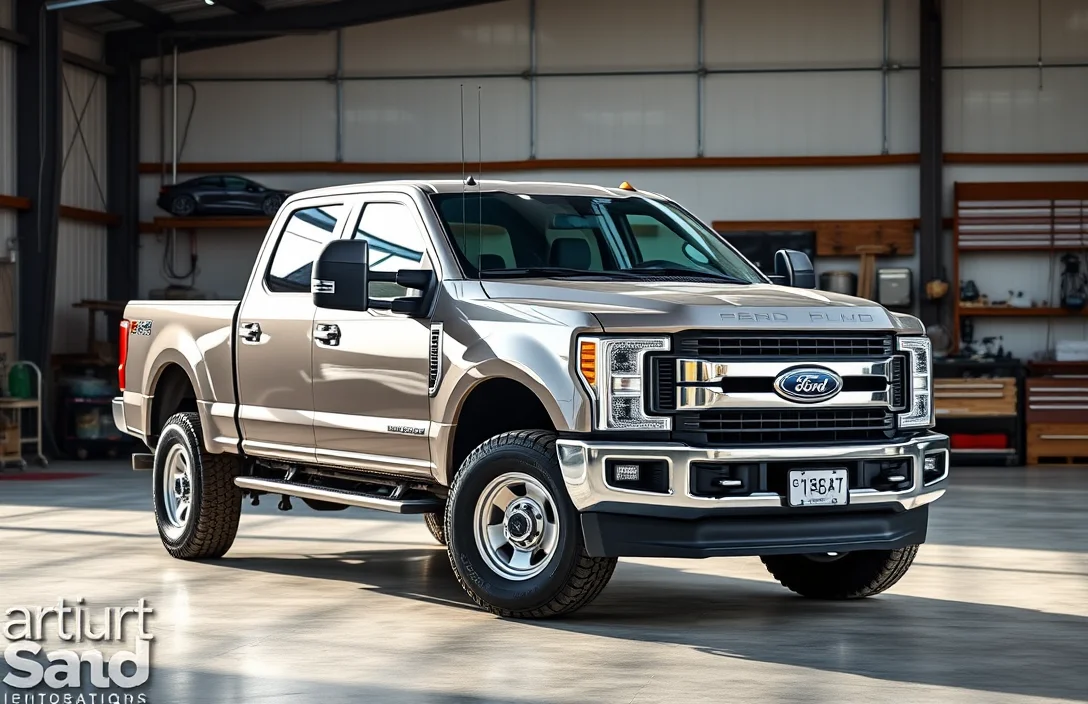
Choosing the best year for a Ford F250 6.7 diesel can feel overwhelming, especially with so many options available. Understanding the nuances of each model year is crucial for making a wise investment that meets your performance and reliability needs.
If you’re looking for the most reliable years, consider models from 2017 to 2019, known for their strong performance and fewer maintenance issues. However, 2020 and newer models bring improved technology and better fuel efficiency, making them worth a look as well.
Best Model Year Criteria
Determining the best model year for the Ford F250 6.7 diesel involves evaluating several key factors. These include performance metrics, reliability factors, and user feedback. Each model year can vary significantly based on engine enhancements, technology improvements, and design changes that affect overall functionality and maintenance needs.
Performance metrics are critical when assessing a model year. This includes horsepower, torque ratings, and fuel efficiency, which can influence towing capacity and everyday drivability. Reliability factors also play a significant role; understanding common issues reported by owners and how well each model stands the test of time is essential for making an informed decision. Additionally, warranty periods and recalls are worth considering, as they can highlight potential weaknesses in specific years.
Combining these criteria will provide a clearer picture of which Ford F250 6.7 diesel model year offers the best value for money, reliability, and performance, guiding prospective buyers towards a smart investment in their next truck.
Engine Specifications Overview
The 6.7-liter Power Stroke diesel engine is a standout feature of the Ford F250, known for its robust performance and reliability. Understanding its specifications provides insight into why it has gained popularity among truck enthusiasts and professionals alike. Below are the key components and features that define this engine.
Power Output
The 6.7 diesel engine delivers impressive power across different model years. Typically, it produces between 400 to 450 horsepower, depending on the specific model year and tuning. This power enables the F250 to handle heavy towing and hauling tasks with ease, making it an excellent choice for both work and recreational use.
Torque Ratings
Torque is a crucial factor for any diesel engine, and the 6.7 Power Stroke excels in this area. Torque ratings range from 800 to 1,050 lb-ft, offering exceptional pulling power. This high torque output is particularly beneficial for towing trailers or heavy loads, ensuring that the F250 remains stable and efficient under pressure.
Overall, the 6.7 diesel engine combines power and torque to deliver a reliable driving experience, making it a top contender in the heavy-duty truck market.
Transmission Options Explained
The Ford F250 with the 6.7 diesel engine offers various transmission options that can significantly impact its performance and reliability. Understanding these choices is crucial for prospective buyers who prioritize both utility and driving experience in their trucks.
From 2011 onwards, the F250 primarily features a 6-speed automatic transmission. This transmission is known for its smooth shifting and has been well-received for its ability to handle the torque produced by the 6.7 diesel engine. In the early years, particularly in 2011 and 2012, the automatic transmission had some reported issues, but Ford addressed many of these concerns in subsequent model years, improving both durability and performance.
Manual transmission options were limited in the later years, as the market shifted towards automatics. However, the 2011-2015 models offered a 6-speed manual option, which may appeal to buyers looking for more control over their driving experience. The gear ratios in the automatic transmission are generally optimized for towing and hauling, making these trucks highly capable when fully loaded.
In summary, while the automatic transmission has become the standard for the F250, understanding the nuances of each model year can help buyers make informed decisions based on their specific needs.
Common Maintenance Issues
The Ford F250 with the 6.7 diesel engine is known for its robust performance, but like any vehicle, it has its share of common maintenance issues. Understanding these can help prospective buyers make informed decisions and budget for potential repairs.
One prevalent issue is related to the EGR (Exhaust Gas Recirculation) system. Over time, the EGR cooler can become clogged, leading to overheating and engine performance problems. Regular cleaning and inspection can mitigate this issue, but be prepared for potential replacements in older models.
Fuel system concerns also arise, particularly with the fuel injectors. Some owners report injector failure, which can lead to poor fuel economy and engine misfires. Keeping up with fuel filter changes and using high-quality diesel fuel can help prevent these problems.
Other maintenance considerations include turbocharger issues and oil cooler failures, which can impact engine longevity and performance. Overall, staying proactive with maintenance can enhance reliability and value over the truck’s lifespan.
Performance Assessments by Year
Evaluating the performance of the Ford F250 6.7 diesel engine across different model years reveals distinct variations in acceleration and towing capacity. Understanding these nuances can help prospective buyers make an informed decision on which year best suits their needs.
The 2011 model year marked the introduction of the 6.7L Power Stroke diesel engine. With 390 horsepower and 735 lb-ft of torque, it delivered impressive towing capacity of up to 16,000 pounds. Acceleration tests showed it could go from 0 to 60 mph in around 7.5 seconds, which was respectable for a heavy-duty truck.
In 2015, Ford enhanced the engine with a more robust turbocharger, increasing horsepower to 440 and torque to 860 lb-ft. This model also boasted a maximum towing capacity of 18,500 pounds, making it a superior choice for those needing serious hauling power. Acceleration improved slightly, with 0 to 60 mph times dropping to approximately 7.1 seconds.
The 2017 and later models further refined the engine with improved fuel efficiency and emissions systems. The towing capacity remained competitive, with the 2017 F250 capable of pulling up to 21,000 pounds when properly equipped. Acceleration performance remained consistent, keeping up with the 2015 benchmarks.
Each model year offers specific advantages depending on your performance requirements, whether it be towing capacity, acceleration, or overall engine refinement.
User Reviews and Feedback
User experiences provide valuable insights into the reliability and performance of the Ford F250 6.7 diesel across different model years. Here, we examine owner ratings and common complaints that can help prospective buyers make informed decisions.
Owner Ratings
Overall, the 2017 model year receives high praise for its blend of power and comfort, with many owners appreciating the improved interior quality and technology. The 2020 models are also well-rated, noted for their advanced safety features and towing capabilities. Users often highlight the strong torque and fuel efficiency of the 6.7 diesel engine, making it a favorite for heavy-duty tasks.
Common Complaints
Despite positive feedback, some owners of earlier models, particularly from 2011 to 2014, report issues with the diesel exhaust fluid (DEF) system and turbocharger failures. These problems can lead to costly repairs if not addressed promptly. Another frequent complaint involves the transmission, where some users experienced shifting issues, particularly in the 2015 and 2016 models. These concerns should be weighed carefully when considering a purchase.
Comparative Year Analysis
Understanding the strengths and weaknesses of different model years for the Ford F250 with the 6.7 diesel engine can significantly impact your purchasing decision. Here’s a comparative analysis highlighting the best and worst years based on performance, reliability, and user feedback.
Top Years: The 2017 and 2020 models stand out for their excellent balance of power, efficiency, and reliability. The 2017 model benefits from updates that enhance overall drivability and comfort, while the 2020 version introduces advanced technology features and improved towing capacities. Both years have received positive reviews for durability and low maintenance issues.
Years to Avoid: The 2011 and 2013 models are often cited as less desirable due to various reliability concerns. The 2011 model, while initially promising, faced numerous issues with the fuel system and turbocharger. Similarly, the 2013 model had notable problems with the DEF system, leading to costly repairs. Buyers should consider these factors when evaluating used options.
Ultimately, focusing on the 2017 and 2020 models will likely yield the best ownership experience, while the 2011 and 2013 years may present unexpected challenges and costs.
Quick Summary
- The 2017 Ford F250 6.7 Diesel is often considered one of the best years due to its combination of power, reliability, and technology.
- The 2015 model received high praise for its towing capacity and overall performance improvements over previous generations.
- In 2019, Ford introduced updated features, including advanced safety technologies and enhanced interior comfort.
- The 2020 model year brought significant updates in terms of payload and towing capabilities, making it a strong contender.
- Owners frequently report strong satisfaction with the 2016 model for its balance of performance and comfort.
- Regular maintenance and care can greatly enhance the longevity and reliability of any Ford F250 6.7 Diesel model.
- Consumer reviews and expert ratings suggest that each model year from 2015 to 2020 has its unique strengths.
Frequently Asked Questions
1. What is the best year for the Ford F250 6.7 Diesel?
The 2017 and 2020 model years are often regarded as the best for the Ford F250 6.7 Diesel. These models are praised for their reliability, performance, and updated technology features, making them suitable for both work and daily driving.
2. Are there any common issues with the Ford F250 6.7 Diesel?
While the Ford F250 6.7 Diesel is generally reliable, some owners have reported issues with the turbocharger and fuel system, particularly in earlier models. Regular maintenance and addressing concerns promptly can help minimize these issues.
3. How does the fuel economy of the F250 6.7 Diesel compare to gas models?
The F250 6.7 Diesel typically offers better fuel economy compared to its gas counterparts, especially under heavy loads. This can lead to lower overall operating costs, making it a more economical choice for long-term use.
4. What should I look for when buying a used F250 6.7 Diesel?
When purchasing a used F250 6.7 Diesel, check for a complete service history, signs of wear and tear, and any modifications made to the vehicle. Pay attention to the condition of the turbocharger and exhaust system, as these can affect performance and reliability.
5. Is the resale value of the F250 6.7 Diesel strong?
Yes, the Ford F250 6.7 Diesel typically maintains a strong resale value, thanks to its reputation for durability and performance. Buyers often seek these trucks for their towing capabilities and overall reliability, which contributes to their high demand in the used market.

- Best Brand Of Wheel Bearings: Quality Options For Every Need - March 22, 2026
- Brand For Wheel Spacers: Quality Options For Enhanced Performance - March 22, 2026
- Best Brand Skateboard Wheels: High-Quality Options Every Skater - March 22, 2026