
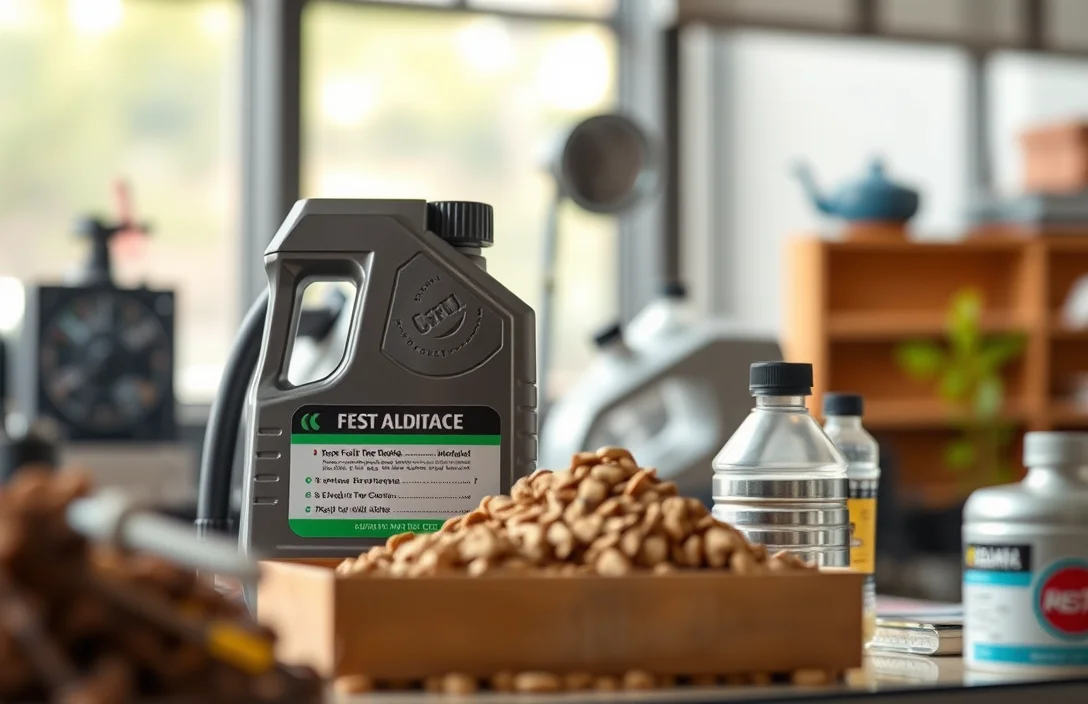
Choosing the right diesel fuel additive can significantly impact your vehicle’s performance and longevity. With so many options available, it can be challenging to determine which product truly delivers on its promises. Understanding the benefits of these additives is key to making an informed decision.
The best diesel fuel additives enhance fuel efficiency, improve engine performance, and reduce emissions. They can also prevent fuel degradation and protect against corrosion, ensuring your engine runs smoothly for longer periods. Selecting the right additive is crucial for optimal results.
Diesel Fuel Additive Basics
Diesel fuel additives are chemical compounds mixed with diesel fuel to enhance its performance and protect the engine. These additives play a crucial role in optimizing fuel efficiency, reducing emissions, and improving overall engine health. Understanding their functions helps in selecting the best additive for specific automotive applications.
There are several types of diesel fuel additives, each designed to address particular issues or improve certain aspects of fuel performance. Common categories include detergent additives, which clean fuel injectors and combustion chambers; anti-gel additives, which prevent fuel from thickening in cold temperatures; and cetane improvers, which enhance ignition quality. By selecting the appropriate additive, vehicle owners can ensure their engines operate efficiently and reliably.
How Additives Enhance Performance
Fuel additives play a critical role in optimizing diesel engine performance by addressing specific issues that can hinder efficiency and functionality. These additives work through various mechanisms tailored to enhance fuel properties and engine operation.
One primary function of diesel fuel additives is to improve fuel combustion. Additives such as cetane improvers increase the cetane number of diesel, facilitating better ignition and more complete combustion. This results in enhanced power output and reduced emissions.
Another important mechanism is the prevention of fuel system deposits. Detergents and dispersants in additives help keep injectors clean by preventing the formation of carbon and varnish deposits. Clean injectors ensure a fine spray pattern, promoting efficient combustion and optimized fuel economy.
Additionally, additives often contain anti-gel agents that prevent the fuel from thickening in cold temperatures. This is especially crucial for diesel engines operating in colder climates, as it ensures reliable engine start-up and operation without fuel flow restrictions.
Corrosion inhibitors are also a key component, protecting metal surfaces within the fuel system from rust and degradation. This prolongs the life of critical engine components and maintains overall engine integrity.
Key Components of Additives
Understanding the key ingredients in diesel fuel additives is essential for selecting the most effective product. These components play crucial roles in enhancing fuel performance, improving engine efficiency, and reducing emissions. Below are the primary ingredients often found in high-quality diesel fuel additives.
- Detergents: These help to clean fuel injectors and prevent deposits from forming. Clean injectors ensure optimal fuel atomization, which is critical for efficient combustion.
- Stabilizers: They prevent fuel degradation and oxidation during storage, ensuring that the fuel remains effective over time.
- Cetane Improvers: These increase the cetane number of diesel fuel, leading to better ignition quality and smoother engine operation.
- Corrosion Inhibitors: These protect engine components from rust and corrosion, extending the life of the fuel system.
- Biocides: These combat microbial growth in diesel fuel, which can lead to clogging and fuel filter issues.
- Cold Flow Improvers: These enhance the flow of diesel fuel in cold temperatures, preventing gelling and ensuring reliable engine performance in winter conditions.
Choosing a diesel fuel additive with these components can significantly improve your vehicle’s performance and longevity.
Application Techniques for Additives
Applying diesel fuel additives correctly is essential for maximizing their effectiveness. The method of application can vary based on the type of additive and the vehicle’s fuel system. Understanding the right techniques ensures optimal performance and longevity of the engine.
One common method is to add the diesel fuel additive directly to the fuel tank. This is typically done before filling the tank with diesel fuel. It’s crucial to follow the manufacturer’s instructions regarding the correct dosage, as overuse can lead to issues. Make sure to mix the additive with the fuel by filling the tank completely, allowing the additive to disperse evenly throughout the fuel.
For some additives, especially those designed for preventative maintenance, it may be beneficial to apply them during routine service intervals. This can include adding the additive during oil changes or fuel filter replacements, ensuring the engine benefits from enhanced protection and performance consistently.
If using a concentrated additive, consider investing in a measuring tool or dispenser for precise application. This prevents miscalculation and helps maintain the integrity of your fuel system. Always ensure the additive is compatible with your vehicle’s make and model to avoid complications.
Frequency of Additive Use
Understanding when and how often to use diesel fuel additives is crucial for maximizing engine performance and longevity. The following guidelines provide practical recommendations for optimal use.
- Regular Maintenance: Incorporate additives during routine maintenance intervals, typically every 3,000 to 5,000 miles, to ensure consistent engine cleanliness and performance.
- Seasonal Use: Use fuel additives before the onset of winter or summer extremes. Cold weather can lead to fuel gelling, while high temperatures may cause combustion issues.
- After Refueling: Additives should be included each time you fill up your tank, particularly if you frequently use low-quality fuel, which can benefit greatly from the added protection.
- During Extended Downtime: If your vehicle will sit unused for an extended period, add a stabilizer to prevent fuel degradation and keep the system clean.
- When Experiencing Performance Issues: If you notice a drop in power or fuel efficiency, consider using a fuel system cleaner to address potential deposits and restore performance.
By following these guidelines, you can ensure that your diesel engine operates at peak efficiency and longevity, ultimately saving you time and maintenance costs.
Top Diesel Fuel Additives Reviewed
This section highlights some of the most popular diesel fuel additives available today, focusing on their effectiveness and specific benefits. Understanding these products will help in selecting the best additive for your diesel engine needs.
1. Stanadyne Performance Formula: Known for its excellent lubricity properties, Stanadyne enhances fuel stability and prevents injector fouling. It also acts as a cleaning agent, removing deposits from fuel systems.
2. Power Service Diesel Kleen + Cetane Boost: This additive increases cetane numbers for better combustion efficiency while also cleaning injectors and boosting fuel economy. It is particularly effective in cold weather, preventing fuel gelling.
3. Lucas Oil Diesel Deep Clean: Designed to clean the entire fuel system, Lucas Oil helps restore lost power and improve fuel efficiency. It is also known for reducing exhaust emissions significantly.
4. Sea Foam Motor Treatment: A versatile product that not only works as a fuel stabilizer but also cleans fuel injectors and combustion chambers. Sea Foam is effective in both diesel and gasoline engines, making it a popular choice among vehicle owners.
5. Red Line Fuel Additive: This additive provides excellent cleaning properties and is known to improve both performance and fuel economy. It is particularly favored by those looking to enhance the overall efficiency of their diesel engines.
Comparative Analysis of Additives
This section evaluates various diesel fuel additives based on performance metrics, user reviews, and overall effectiveness. A clear comparison can assist in selecting the most suitable additive for specific needs.
| Additive Name | Performance Metrics | User Rating |
|---|---|---|
| Power Service Diesel Kleen | Improves fuel economy, cleans injectors | 4.8/5 |
| Stanadyne Performance Formula | Enhances lubricity, stabilizes fuel | 4.7/5 |
| Howes Meaner Power Kleaner | Prevents gelling, boosts cetane | 4.6/5 |
| Lucas Fuel Treatment | Increases power, reduces emissions | 4.5/5 |
Each additive demonstrates unique benefits, appealing to different user preferences such as fuel economy improvement, injector cleaning, and gelling prevention. User ratings provide insight into satisfaction levels, suggesting that Power Service Diesel Kleen is favored for overall performance. Choosing the right additive depends on specific requirements like climate conditions and engine specifications.
Quick Summary
- Diesel fuel additives enhance fuel performance and engine efficiency.
- Common benefits include improved fuel stability, reduced emissions, and enhanced lubricity.
- Look for additives that prevent injector fouling and reduce engine wear.
- Some additives can improve cold weather performance by lowering the pour point.
- Choose products that are compatible with your engine type and fuel system.
- Regular use of high-quality additives can extend engine life and reduce maintenance costs.
- Always follow manufacturer recommendations for dosage and application.
Frequently Asked Questions
What is a diesel fuel additive?
A diesel fuel additive is a chemical compound added to diesel fuel to enhance its properties and performance. These additives can improve fuel stability, reduce emissions, and enhance engine efficiency.
What are the benefits of using diesel fuel additives?
Diesel fuel additives can provide several benefits, including improved fuel economy, cleaner engine components, reduced carbon buildup, and better cold weather performance. They can also help prevent fuel system issues and extend the life of your engine.
How do I choose the best diesel fuel additive?
Choosing the best diesel fuel additive depends on your specific needs, such as improving fuel economy, cleaning injectors, or combating fuel degradation. Look for products that meet industry standards and have positive reviews from users and professionals.
Can diesel fuel additives damage my engine?
When used according to the manufacturer’s instructions, diesel fuel additives are generally safe for your engine. However, using the wrong type or excessive amounts can lead to issues, so it’s important to follow guidelines and choose reputable products.
How often should I use diesel fuel additives?
The frequency of using diesel fuel additives can vary based on the product and your driving conditions. Generally, it’s recommended to add them with every tank of fuel or as directed by the manufacturer for optimal performance and benefits.

- Best Brand Of Wheel Bearings: Quality Options For Every Need - March 22, 2026
- Brand For Wheel Spacers: Quality Options For Enhanced Performance - March 22, 2026
- Best Brand Skateboard Wheels: High-Quality Options Every Skater - March 22, 2026