
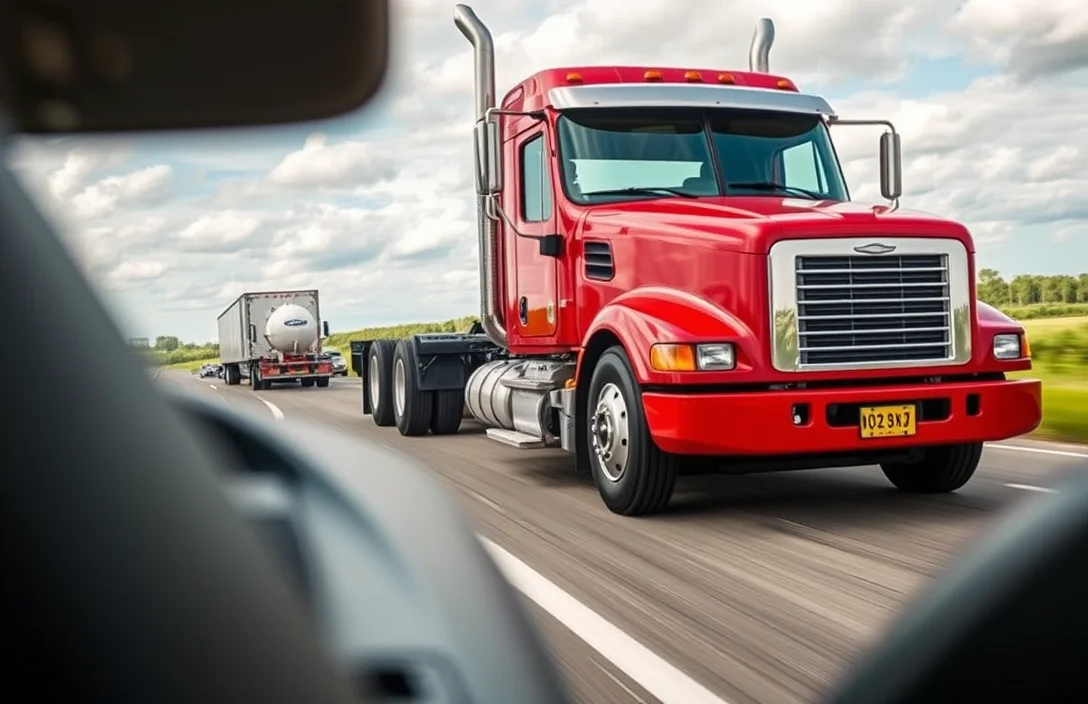
Finding the diesel truck with the best mileage can feel overwhelming, especially with so many options available. Fuel efficiency is crucial for both cost savings and environmental impact. Discovering which diesel truck offers the best miles per gallon can help you make an informed purchasing decision.
The diesel truck that gets the best mpg is often the Ford F-250 Super Duty, boasting impressive fuel efficiency. Other notable mentions include the Ram 2500 and Chevrolet Silverado 2500HD. These trucks combine power with efficiency, making them ideal for both work and leisure.
Diesel Truck MPG Basics
Diesel truck fuel efficiency, measured in miles per gallon (MPG), is a critical factor for owners and operators. Understanding MPG can significantly impact operational costs, especially for businesses relying on transportation. Diesel engines generally offer better fuel efficiency compared to gasoline engines, making them a popular choice for heavy-duty applications.
Fuel efficiency not only affects the bottom line but also has environmental implications. Higher MPG means reduced fuel consumption, leading to lower greenhouse gas emissions. As fuel prices fluctuate, the need for efficient diesel trucks becomes increasingly apparent. Selecting a diesel truck with optimal MPG can lead to substantial savings over its lifespan.
Factors influencing diesel truck MPG include engine design, weight, aerodynamics, and driving conditions. Different models and brands may vary significantly in their fuel economy ratings, making it essential for buyers to research and compare options. Understanding these fundamentals sets the stage for deeper insights into diesel engine efficiency, which will follow in the next section.
Diesel Engine Efficiency
Diesel engines are renowned for their superior fuel efficiency compared to gasoline engines. This efficiency stems from several key design and operational characteristics that optimize fuel consumption and energy output. Understanding these factors provides insight into why diesel trucks often achieve better miles per gallon (MPG).
- Higher Compression Ratios: Diesel engines operate at higher compression ratios, which enhances thermal efficiency. The higher compression results in better energy extraction from the fuel.
- Energy Density of Diesel Fuel: Diesel fuel has a higher energy density than gasoline, meaning it contains more energy per gallon. This contributes to longer distances traveled on the same amount of fuel.
- Efficient Combustion Process: Diesel engines utilize a compression ignition process, allowing for a more complete combustion of fuel. This maximizes energy release and minimizes wasted fuel.
- Turbocharging: Many diesel engines are equipped with turbochargers, which enhance power output without significantly increasing fuel consumption. This allows for better performance without sacrificing efficiency.
- Engine Design: Diesel engines are typically built with sturdier components that can withstand the pressures of combustion, leading to longevity and consistent performance over time.
These characteristics collectively contribute to the fuel efficiency that makes diesel trucks popular among those seeking to maximize MPG.
Key Factors Influencing MPG
Understanding the key factors that influence the miles per gallon (MPG) of diesel trucks is essential for selecting a model that maximizes fuel efficiency. Several variables can significantly impact the fuel economy of these vehicles, allowing owners to make informed decisions based on their specific needs.
Engine design and size are primary factors; larger engines typically consume more fuel. Additionally, the truck’s weight affects MPG—heavier trucks require more energy to propel. Aerodynamics also play a crucial role; streamlined designs reduce drag, enhancing fuel efficiency. Tire selection and maintenance are significant; properly inflated, low-resistance tires can improve MPG. Driving habits should not be overlooked; aggressive acceleration and high speeds can drastically reduce fuel economy. Lastly, the type of transmission impacts efficiency; automatic transmissions often provide better fuel economy in diesel trucks compared to manual ones.
Fuel-Saving Technologies
Diesel trucks have evolved significantly, incorporating various fuel-saving technologies that enhance their efficiency. These advancements not only improve miles per gallon (MPG) but also reduce emissions and enhance overall performance.
One key technology is turbocharging, which increases the engine’s power output without significantly raising fuel consumption. By forcing more air into the combustion chamber, turbochargers allow for a more complete fuel burn, resulting in better efficiency and performance.
Modern fuel injection systems also play a critical role. Unlike older carbureted engines, contemporary diesel trucks use direct fuel injection, which delivers fuel directly into the combustion chamber at high pressure. This process ensures a more efficient fuel-air mixture, improving combustion efficiency and reducing wasted fuel.
Another notable technology is the use of advanced engine management systems. These systems monitor and control various engine parameters in real-time, optimizing performance for different driving conditions. By adjusting fuel delivery and ignition timing, they enhance efficiency and responsiveness.
Lastly, aerodynamic improvements in truck design, such as streamlined shapes and active grille shutters, contribute to reduced drag and improved fuel economy. These technologies collectively enable diesel trucks to achieve better MPG ratings while maintaining optimal performance.
Driving Techniques for Efficiency
Maximizing fuel economy in a diesel truck requires adopting specific driving techniques. These methods focus on maintaining efficiency, reducing unnecessary fuel consumption, and optimizing overall performance. Implementing these strategies can lead to significant improvements in miles per gallon (MPG).
Maintain a steady speed. Frequent acceleration and braking waste fuel. Use cruise control on highways to keep a consistent speed. Anticipate traffic flow and adjust your speed accordingly to minimize stopping and starting.
Shift gears efficiently. For manual transmissions, shift at lower RPMs to avoid excessive fuel consumption. For automatic transmissions, allow the engine to reach optimal temperature before driving aggressively.
Reduce idling time. Turn off the engine when parked or waiting for extended periods. Idling consumes fuel without providing any benefit and can significantly impact overall MPG.
Monitor tire pressure regularly. Under-inflated tires increase rolling resistance and decrease fuel efficiency. Ensure tires are inflated to the manufacturer’s recommended pressure to enhance performance.
Limit weight and drag. Remove unnecessary cargo and avoid carrying heavy loads. Use aerodynamic accessories and remove roof racks when not in use to reduce wind resistance.
Top Diesel Trucks by MPG
Current diesel truck models are designed to maximize fuel efficiency while delivering power and performance. Here’s a list of some of the top diesel trucks on the market today that boast impressive miles per gallon (MPG) ratings.
- 2023 Chevrolet Silverado 1500 Duramax: Offers up to 33 MPG on the highway, making it one of the most efficient options in its class.
- 2023 Ram 1500 EcoDiesel: Known for its excellent fuel economy, it achieves around 32 MPG on the highway.
- 2023 Ford F-250 Super Duty: With the Power Stroke diesel engine, it can reach up to 28 MPG on the highway.
- 2023 GMC Sierra 1500 Duramax: Similar to its Chevrolet counterpart, it also provides up to 33 MPG on the highway.
- 2023 Nissan Titan XD: This model offers competitive efficiency, achieving around 22 MPG on the highway.
These trucks reflect advancements in diesel technology, enhancing both power and efficiency for various driving needs.
Comparative MPG Analysis
This section provides a straightforward comparison of the miles per gallon (MPG) figures across popular diesel truck models. By examining these numbers, potential buyers can make informed decisions based on fuel efficiency, a critical factor in overall cost and performance.
| Truck Model | MPG (City) | MPG (Highway) | Combined MPG |
|---|---|---|---|
| Ford F-250 Super Duty | 18 | 24 | 20 |
| Ram 2500 | 17 | 22 | 19 |
| Chevrolet Silverado 2500HD | 16 | 21 | 18 |
| GMC Sierra 2500HD | 16 | 20 | 18 |
| Ram 1500 EcoDiesel | 21 | 29 | 24 |
The Ram 1500 EcoDiesel stands out with the highest combined MPG, making it an excellent choice for those prioritizing fuel efficiency. The Ford F-250 Super Duty and Ram 2500 also offer competitive figures, suitable for heavier tasks while maintaining respectable fuel economy.
Quick Summary
- Diesel trucks are known for their fuel efficiency, often outperforming gasoline counterparts.
- The Ford F-250 Super Duty with the 6.7L Power Stroke V8 diesel engine is among the top performers in MPG.
- Ram 2500 with the Cummins 6.7L turbo diesel engine also offers competitive fuel economy.
- Chevrolet Silverado 2500 HD equipped with a Duramax diesel engine provides excellent mileage for heavy-duty tasks.
- Factors affecting MPG include truck weight, engine size, and driving conditions.
- Regular maintenance and proper tire inflation can enhance the fuel efficiency of diesel trucks.
- Consideration of payload and towing capacity is important when evaluating MPG for work-related needs.
Frequently Asked Questions
1. What diesel truck gets the best mpg?
The diesel truck that typically gets the best miles per gallon (mpg) is the Chevrolet Silverado 1500 with the Duramax engine, which can achieve around 23-24 mpg combined. Other competitive options include the Ford F-250 Super Duty and the Ram 1500 EcoDiesel, both of which offer impressive fuel efficiency for their class.
2. How does the engine size affect diesel truck mpg?
Generally, smaller displacement engines tend to be more fuel-efficient than larger ones. However, modern turbocharged diesel engines can provide high power output without sacrificing efficiency, making it important to consider both engine size and technology when evaluating mpg.
3. Are there specific driving habits that can improve diesel truck mpg?
Yes, adopting fuel-efficient driving habits can significantly enhance mpg. Maintaining a steady speed, avoiding rapid acceleration and braking, and keeping the truck well-maintained can all contribute to better fuel economy.
4. Does towing impact the mpg of diesel trucks?
Towing can greatly reduce the mpg of diesel trucks, as it requires more power and fuel to move the additional weight. It’s important to consider the weight of what you’re towing and how it affects overall fuel consumption.
5. How can I find the most fuel-efficient diesel truck for my needs?
To find the most fuel-efficient diesel truck, research current models, read reviews, and compare specifications like engine type and mpg ratings. Test driving different models and consulting with dealers can also help you make an informed decision based on your specific needs and preferences.

- Best Brand Of Wheel Bearings: Quality Options For Every Need - March 22, 2026
- Brand For Wheel Spacers: Quality Options For Enhanced Performance - March 22, 2026
- Best Brand Skateboard Wheels: High-Quality Options Every Skater - March 22, 2026