
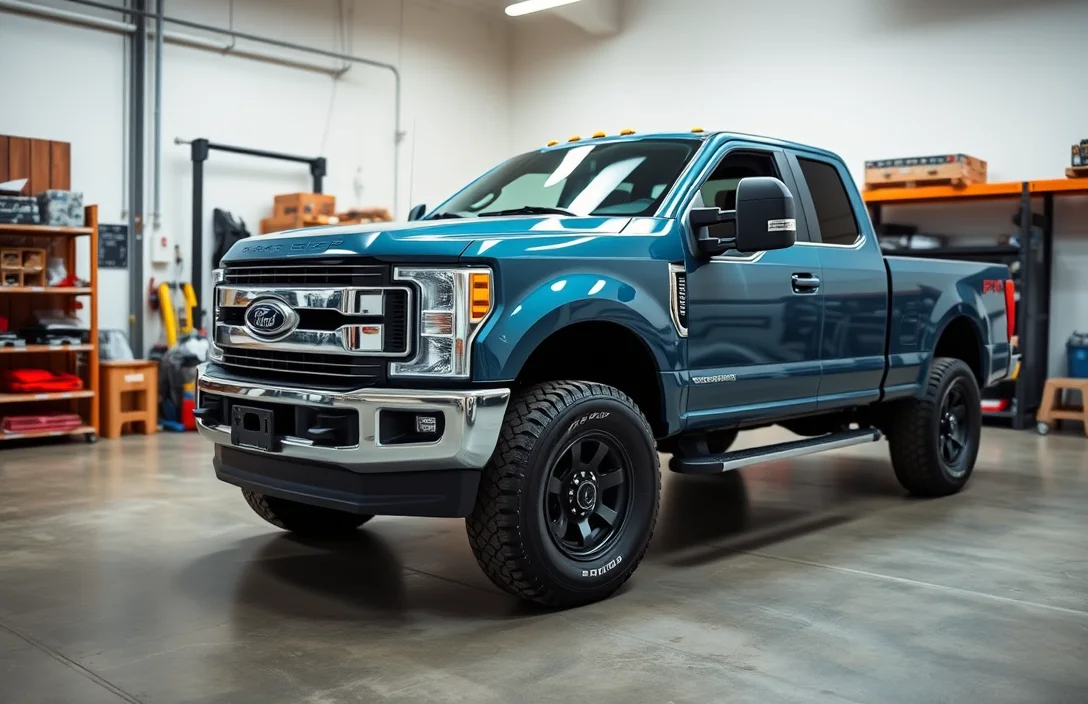
Choosing the right tires for your F250 diesel truck is crucial for performance and safety. With so many options available, it can be overwhelming to find the perfect match that meets your driving needs and conditions. Understanding key features will help you make an informed decision.
When selecting tires for your F250 diesel truck, consider load capacity, traction, weather suitability, and durability. Popular options include all-terrain and mud terrain tires, each suited for different driving conditions and applications.
Best Tire Types for F250
Choosing the right tires for your Ford F250 diesel truck is essential for optimizing performance and safety. The specific tire type can significantly impact handling, load capacity, and off-road capabilities. Here are the main tire types suitable for the F250 diesel truck.
All-Terrain Tires: These tires offer a versatile option for drivers who need a balance between on-road comfort and off-road capability. They feature tread patterns designed to handle various terrains while maintaining good traction on highways.
Mud-Terrain Tires: If off-roading is a priority, mud-terrain tires provide aggressive tread designs that excel in loose soil, mud, and rocky surfaces. They sacrifice some on-road comfort for superior grip in challenging conditions.
Highway Tires: For those who primarily drive on paved roads, highway tires offer a smoother ride and better fuel efficiency. These tires are designed for long-distance travel and provide excellent traction on wet and dry surfaces.
Load Range Tires: Given the F250’s towing and hauling capacity, selecting tires with a suitable load range is vital. Load range D or E tires are common choices, providing the durability needed for heavy loads.
Tire Specifications Explained
Understanding tire specifications is essential for selecting the best tires for your F250 diesel truck. Key specifications include size, load rating, and tread patterns, each playing a significant role in performance, safety, and longevity. Here’s a breakdown of these important factors.
Size: Tire size is indicated by a series of numbers and letters, such as 275/70R18. The first number (275) represents the tire width in millimeters, the second number (70) indicates the aspect ratio (the height of the sidewall as a percentage of the width), and the letter (R) signifies radial construction. The final number (18) denotes the diameter of the wheel in inches. Choosing the right size is critical for maintaining handling and comfort.
Load Rating: The load rating indicates the maximum weight a tire can support at a specified pressure. For heavy-duty trucks like the F250, tires typically have a load rating of C, D, E, or F. Higher load ratings (such as E and F) are essential for towing and carrying heavy loads, ensuring safety and performance.
Tread Patterns: Tread patterns affect traction, handling, and noise levels. All-terrain and mud-terrain tires have distinct tread designs suited for different conditions. All-terrain tires offer versatility for both on-road and off-road use, while mud-terrain tires excel in loose and muddy conditions.
All-Terrain vs. Mud-Terrain
Choosing the right tire type for your F250 diesel truck is crucial for optimizing performance based on driving conditions. All-terrain and mud-terrain tires serve different purposes, and understanding their distinctions is essential for making an informed decision.
| Feature | All-Terrain Tires | Mud-Terrain Tires |
|---|---|---|
| Tread Design | Versatile with a moderate tread pattern | Aggressive with deep voids and large lugs |
| Off-Road Capability | Good for mixed terrain | Excellent for muddy and loose conditions |
| On-Road Performance | Better traction and quieter ride | Can be noisy and less stable on highways |
| Durability | Designed for general wear | Built to withstand harsh off-road conditions |
All-terrain tires provide a balanced performance for both on-road and off-road driving, making them suitable for daily use and occasional trail adventures. Conversely, mud-terrain tires excel in extreme off-road conditions, offering superior grip in mud, sand, and loose gravel. Selecting between these tire types depends largely on your driving habits and the environments you frequent.
Load Capacity Considerations
Understanding load capacity is crucial for selecting the right tires for your F250 diesel truck. The load capacity of a tire indicates how much weight it can support safely. This is particularly important for F250 trucks, which are often used for heavy-duty applications, including towing and hauling.
Load capacity is typically measured in pounds and can be found on the tire’s sidewall. For F250 trucks, look for tires with a Load Range C, D, or E rating. Load Range C tires can handle up to 2,000 pounds, while Load Range D and E can support 2,500 and 3,000 pounds, respectively. Choosing tires with a higher load capacity than what you anticipate carrying ensures safety and performance.
Consider your truck’s primary use. If you frequently tow trailers or carry heavy loads, opt for tires with a higher load rating. Additionally, tire pressure plays a significant role in load capacity; maintaining the correct pressure is essential for optimal performance and safety. Regularly inspect your tires for wear and ensure they are suitable for your specific load requirements.
Tire Longevity Factors
Tire longevity for an F250 diesel truck is influenced by various factors, including maintenance, driving habits, and environmental conditions. Understanding these elements can significantly prolong tire life and enhance performance.
Regular maintenance is crucial. This includes checking tire pressure monthly, as under-inflated tires wear out faster and reduce fuel efficiency. Rotating tires every 5,000 to 7,500 miles ensures even wear. Alignment and balancing should also be checked regularly to prevent uneven tire wear.
Driving habits play a significant role in tire lifespan. Aggressive driving, such as rapid acceleration and hard braking, can accelerate tread wear. Smooth, gradual driving not only enhances tire longevity but also improves overall vehicle performance. Additionally, avoid overloading the truck, as exceeding the tire’s load capacity can lead to premature wear or even tire failure.
Lastly, environmental factors, such as temperature extremes and road conditions, impact tire longevity. Tires should be selected based on the climate and terrain where the vehicle is primarily driven. For example, tires designed for off-road conditions may wear out faster on smooth highways, and vice versa.
Customer Reviews Overview
This section summarizes customer feedback on various tire options for the F250 diesel truck. Reviews provide valuable insights into performance, durability, and overall satisfaction from real users. Understanding these perspectives can guide you in making an informed choice.
Many customers praise the Michelin LTX M/S2 for its exceptional durability and all-weather performance. Users report a noticeable improvement in ride comfort and reduced road noise, making it a preferred choice for long-distance driving. The Goodyear Wrangler Duratrac receives high marks for off-road capabilities, with users highlighting its traction in mud and snow, though some note slightly lower highway comfort.
The Falken Wildpeak AT3W is frequently mentioned for its value, offering a balance between on-road comfort and off-road functionality. Customers appreciate its rugged design and reliable grip in various conditions. Conversely, some users of the Nitto Terra Grappler G2 express concern over tread wear, but they acknowledge its strong performance on both highways and rough terrains.
Overall, customer reviews highlight that the best tires for an F250 diesel truck vary based on specific driving needs, whether prioritizing off-road performance, comfort, or longevity. Reading these reviews helps identify which tire aligns best with your driving habits and conditions.
Quick Summary
- Consider all-terrain tires for versatility on and off-road.
- Look for heavy-duty tires that can handle the weight and power of a diesel F250.
- Check for tires with a high treadwear rating for longer lifespan.
- Choose tires with good traction for improved performance in various weather conditions.
- Evaluate noise levels, as some tires can be quieter than others during highway driving.
- Review customer feedback and expert recommendations for the best options.
- Factor in your specific driving needs, such as towing capacity and terrain type.
Frequently Asked Questions
What are the best all-terrain tires for an F250 diesel truck?
Popular all-terrain tires for the F250 diesel include the BFGoodrich All-Terrain T/A KO2 and the Goodyear Wrangler Duratrac. These tires offer a good balance of on-road comfort and off-road capability, making them ideal for various driving conditions.
How do I choose the right tire size for my F250 diesel truck?
The correct tire size for your F250 can usually be found on the driver’s side door jamb or in the owner’s manual. It’s important to select a size that matches your vehicle’s specifications while considering any modifications, such as lift kits that may alter tire clearance.
What are the benefits of installing mud-terrain tires on my F250 diesel?
Mud-terrain tires are designed for optimal traction in off-road conditions, which is ideal if you frequently encounter mud, snow, or loose gravel. They typically feature deeper treads and larger voids, providing superior grip but may compromise on-road comfort and noise levels.
Are there specific tire brands recommended for heavy towing with an F250 diesel?
For heavy towing, brands like Michelin, Goodyear, and Cooper offer tires specifically designed for high load capacities. Look for tires labeled as “D” or “E” load rating to ensure they can handle the weight of your trailer and cargo safely.
How often should I replace the tires on my F250 diesel truck?
It’s advisable to check your tires for wear and performance regularly, typically every 6,000 to 8,000 miles. Most tires should be replaced when they reach a tread depth of 2/32 of an inch, but factors like driving conditions and tire quality can affect longevity.

- Best Brand Of Wheel Bearings: Quality Options For Every Need - March 22, 2026
- Brand For Wheel Spacers: Quality Options For Enhanced Performance - March 22, 2026
- Best Brand Skateboard Wheels: High-Quality Options Every Skater - March 22, 2026