
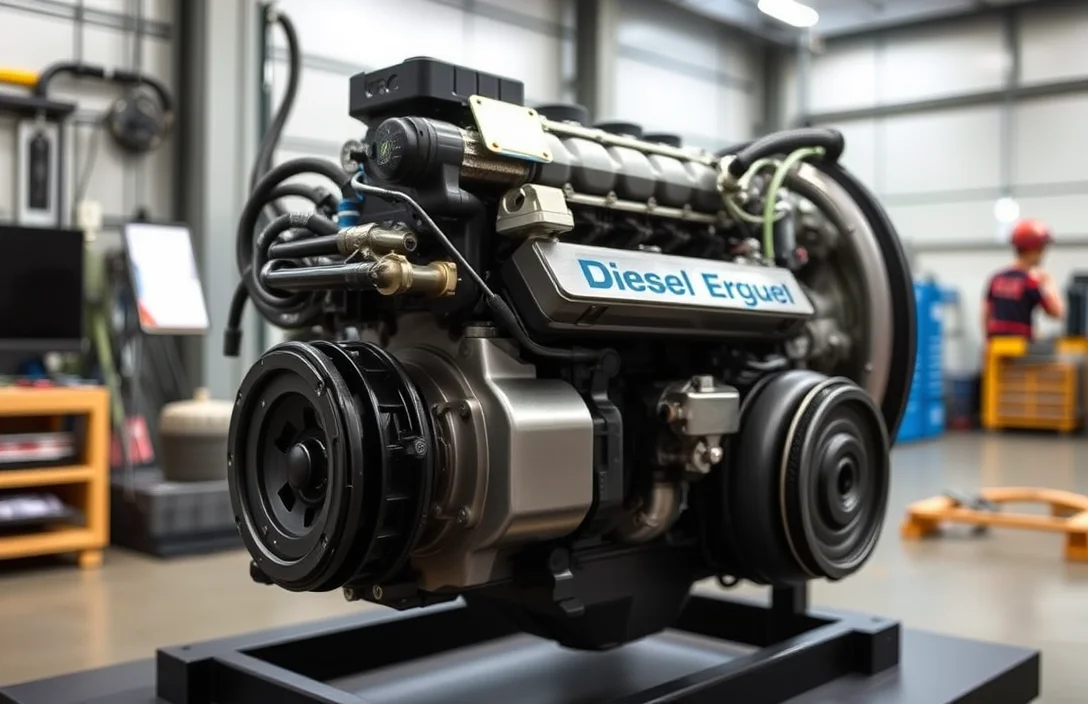
Choosing the best diesel engine can feel overwhelming, given the vast options available. Whether for vehicles, machinery, or boats, understanding the strengths and weaknesses of various diesel engines is crucial to making an informed decision that suits your needs and budget.
The best diesel engine depends on your requirements, but some key factors to consider include reliability, fuel efficiency, power output, and maintenance costs. Popular options include engines from brands like Cummins, Ford, and Duramax.
Defining Diesel Engines
Diesel engines are an essential component of the automotive industry, known for their efficiency and power. They operate on a different principle than gasoline engines, utilizing compression ignition rather than spark ignition. This unique operation allows diesel engines to generate more torque and fuel efficiency, making them a preferred choice for heavy-duty applications, including trucks, buses, and industrial machinery.
In addition to their operational efficiency, diesel engines are recognized for their durability and longevity. They are designed to withstand greater pressures and typically have a longer lifespan than their gasoline counterparts. With advancements in technology, modern diesel engines also meet stringent emission standards, making them more environmentally friendly than ever before. Their role in transportation and industry underscores their significance and continues to drive innovation in engine design and performance.
Diesel Engine Operation
Understanding how diesel engines operate is crucial for evaluating their performance and efficiency. The diesel engine functions through a specific combustion process that distinguishes it from gasoline engines. This process involves several key steps that facilitate the conversion of fuel into mechanical energy.
- Air Intake: Ambient air is drawn into the engine cylinder as the piston moves downwards, creating a vacuum.
- Compression Stroke: The piston then moves upwards, compressing the air. This compression raises the air temperature significantly, often exceeding 500°C (932°F).
- Fuel Injection: At the peak of the compression stroke, diesel fuel is injected directly into the highly compressed hot air. The fuel ignites spontaneously due to the high temperature.
- Combustion: The rapid combustion of the fuel creates a high-pressure gas that forces the piston down, converting thermal energy into mechanical work.
- Exhaust Stroke: After the power stroke, the piston moves back up, expelling the exhaust gases through the exhaust valves.
This cycle repeats continuously, allowing the diesel engine to operate efficiently and deliver power for various applications, from heavy machinery to vehicles.
Core Components Explained
This section examines the essential components of diesel engines that significantly influence performance and efficiency. Understanding these parts provides insight into what makes a diesel engine optimal for various applications, from heavy-duty trucks to industrial machinery.
Fuel Injectors: Diesel engines rely on fuel injectors to deliver precise amounts of fuel directly into the combustion chamber. High-pressure injectors atomize the fuel, enhancing the combustion process. Upgrading to high-performance injectors can improve responsiveness and fuel efficiency.
Turbochargers: A turbocharger utilizes exhaust gases to spin a turbine that compresses incoming air, allowing for a denser air-fuel mixture. This process increases power output and efficiency. A well-matched turbocharger can significantly enhance the engine’s performance, making it a critical component in high-output diesel engines.
Intercoolers: Intercoolers cool the compressed air coming from the turbocharger before it enters the combustion chamber. Cooler air is denser, which improves combustion efficiency and reduces the likelihood of engine knock. This component is vital for maintaining performance, especially in high-performance applications.
Engine Management Systems: Advanced engine management systems control various parameters, including fuel delivery, timing, and turbo boost levels. These systems optimize engine performance, ensuring that the engine operates efficiently across different conditions and loads.
Fuel Efficiency Factors
Understanding the factors that influence the fuel efficiency of diesel engines is essential for determining the best options available. Several key elements contribute to how effectively diesel engines convert fuel into power, impacting overall performance and operational costs.
Several factors can enhance or hinder fuel efficiency:
- Engine Design: The configuration and design of the engine, including aspects like cylinder number, turbocharging, and fuel injection technology, play a crucial role in efficiency.
- Weight and Aerodynamics: The weight of the vehicle and its aerodynamic profile influence drag and rolling resistance, affecting fuel consumption during operation.
- Fuel Quality: High-quality diesel fuel with optimal cetane ratings ensures better combustion, resulting in improved efficiency and reduced emissions.
- Driving Habits: Aggressive driving, such as rapid acceleration and high-speed driving, can significantly decrease fuel efficiency. Smooth driving practices promote better fuel economy.
- Maintenance Practices: Regular maintenance, including timely oil changes and air filter replacements, ensures that the engine operates at peak efficiency.
By focusing on these factors, individuals and businesses can make informed choices regarding diesel engines that maximize fuel efficiency and performance.
Maintenance Best Practices
Proper maintenance is crucial for the longevity and performance of diesel engines. Regular attention to various components can prevent costly repairs and ensure optimal functioning.
Start with regular oil changes, using high-quality diesel engine oil to reduce wear and tear. Check the oil level frequently and replace it per the manufacturer’s recommendations. Monitor the fuel system; clean fuel filters and ensure fuel injectors are functioning correctly to prevent engine knock and maintain efficient combustion.
Pay attention to the cooling system. Regularly check coolant levels, inspect hoses for leaks, and ensure the radiator is clean and free from obstructions. A well-maintained cooling system prevents overheating and extends engine life.
Inspect the air intake system. A clean air filter ensures sufficient airflow, enhancing performance and fuel efficiency. Additionally, check exhaust systems for blockages to maintain proper emissions and engine performance.
Lastly, keep an eye on the battery and electrical system. Clean battery terminals and check for corrosion, ensuring a reliable start. Regular maintenance checks can lead to early detection of potential issues, thereby prolonging the life of your diesel engine.
Top Diesel Engines in Market
This section presents a comparison of some of the most highly regarded diesel engines available for purchase. Each engine is evaluated based on its performance, reliability, and specific applications, providing essential information to help you make an informed decision.
| Engine Model | Power Output | Torque | Typical Applications |
|---|---|---|---|
| Cummins ISX15 | 400-600 hp | 1450-2050 lb-ft | Heavy-duty trucks, buses |
| Detroit DD16 | 600 hp | 2050 lb-ft | Heavy-duty trucks |
| Ford Power Stroke 6.7L | 450 hp | 935 lb-ft | Pickup trucks, commercial vehicles |
| Ram EcoDiesel 3.0L | 260 hp | 480 lb-ft | Light-duty pickup trucks |
| Isuzu 4HK1-TC | 150 hp | 282 lb-ft | Light-duty trucks, construction equipment |
Choosing the right diesel engine depends on your specific needs, whether for heavy-duty hauling or light-duty applications. Each of these engines offers unique advantages tailored to different requirements.
Performance Case Studies
This section presents real-world examples of notable diesel engines, showcasing their performance and efficiency in various applications. These case studies provide insights into how different diesel engines excel in specific environments and industries.
- Ford 6.7L Power Stroke: Used in heavy-duty trucks, this engine is known for its towing capacity, achieving up to 37,000 pounds when properly equipped. Its turbocharged design enhances fuel efficiency while providing robust power for demanding tasks.
- Duramax 6.6L: This engine powers Chevrolet and GMC trucks, offering a balance of power and efficiency. It delivers up to 445 horsepower and 910 lb-ft of torque, making it ideal for both work and recreational use.
- Cummins ISX15: Found in large trucks, the ISX15 is renowned for its durability and fuel efficiency. It provides a powerful 600 horsepower, making it suitable for long-distance hauling while maintaining lower operational costs.
- Volkswagen TDI: In passenger vehicles, the TDI engines are known for their impressive fuel economy, achieving over 40 mpg on the highway. This makes them a popular choice for drivers seeking efficiency without sacrificing performance.
Quick Summary
- The best diesel engines are known for their durability and longevity.
- Fuel efficiency is a key factor, with many top engines providing excellent miles per gallon.
- High torque output at low RPMs makes diesel engines ideal for heavy-duty applications.
- Modern diesel engines are equipped with advanced technology to reduce emissions and improve performance.
- Brands like Cummins, Duramax, and Mercedes-Benz are often recognized for producing top-tier diesel engines.
- Maintenance and serviceability can vary between models, impacting overall ownership experience.
- Choosing the best diesel engine depends on intended use, whether for towing, commuting, or commercial purposes.
Frequently Asked Questions
What is the best diesel engine for fuel efficiency?
The best diesel engines for fuel efficiency often come from manufacturers like Ford, Chevrolet, and Ram. Engines such as the Ford 3.0L Power Stroke and the Ram 3.0L EcoDiesel are known for their excellent miles per gallon (MPG) ratings while providing robust performance.
Which diesel engines are considered the most reliable?
Reliability in diesel engines can vary by model, but engines like the Cummins 5.9L and Duramax 6.6L are widely praised for their durability and longevity. Regular maintenance and proper usage play crucial roles in extending the life of any diesel engine.
What diesel engine has the best towing capacity?
When it comes to towing capacity, the Ford Super Duty 6.7L Power Stroke and the Ram 6.7L Cummins engines are top contenders, capable of towing over 30,000 pounds when properly equipped. These engines are designed to deliver high torque and power, making them ideal for heavy-duty tasks.
Are there any downsides to diesel engines?
While diesel engines offer numerous benefits such as better fuel economy and longevity, they can also be more expensive to purchase and maintain. Additionally, diesel engines may produce more noise and emissions than their gasoline counterparts, which can be a concern for some consumers.
What factors should I consider when choosing a diesel engine?
When selecting a diesel engine, consider factors such as your specific usage needs, towing capacity, reliability, and fuel efficiency. Additionally, take into account the availability of service and parts for the engine, as well as the overall cost of ownership, including maintenance and fuel prices.

- Best Brand Of Wheel Bearings: Quality Options For Every Need - March 22, 2026
- Brand For Wheel Spacers: Quality Options For Enhanced Performance - March 22, 2026
- Best Brand Skateboard Wheels: High-Quality Options Every Skater - March 22, 2026