Picking the best Maxxis tire combo gets tricky because “grip” isn’t one thing—it changes once you hit wet roots, loose corners, or a rocky section that can slice a sidewall. On top of that, a lot of shoppers get tripped up by compatibility details like E25 e-bike ratings, tubeless setup expectations, and how a tire actually fits on a given rim width. In this review, I’m comparing eight Maxxis options that cover the most common front/rear roles: front-end bite, rear stability, and everything from trail-ready tread to XC-leaning speed. My goal is a practical front-and-rear pairing that stays predictable, resists cuts, and works realistically for tubeless trail riding.
A good Maxxis combo isn’t just about tread patterns—it’s about matching tread layout to what the front and rear have to do minute-to-minute. For aggressive riding, I focus on compound choice, sidewall protection (especially for cut and abrasion resistance), and how the knobs are shaped across the tread. Dual-compound designs help put extra grip where you need it without turning the tire into a rolling drag. Triple-compound options like 3C MaxxTerra are built to chase traction across changing conditions while aiming for better durability than a “soft-only” approach. If you ride tubeless, “tubeless-ready” matters too because it can help you run lower pressures for traction while reducing pinch-flat risk. And if your setup is e-bike based, the E25 rating is a real spec, not a footnote—it’s part of what keeps the tire relevant for that kind of riding.
⚡ Quick Verdict
Our Top Picks at a Glance
| Image | Product | Score | Link |
|---|---|---|---|
 |
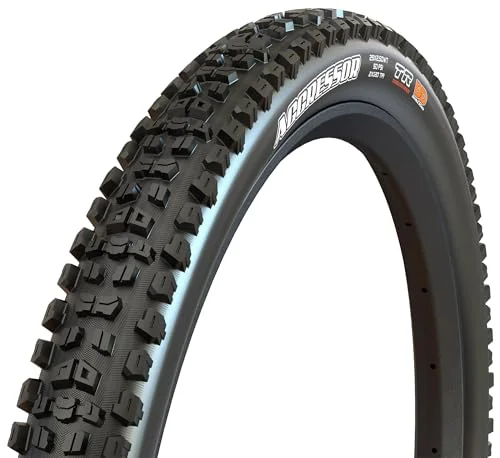
MAXXIS Aggressor – 29×2.30 – EXO, E25 | Dual Compound – EXO, 🥈 Runner-Up |
8.2/10 |
View on Amazon Free Shipping & 30-Day Returns |
 |
Maxxis Minion DHF Tire, Dual Compound, EXO Protection, E25, 🥈 Runner-Up |
8.0/10 |
View on Amazon Free Shipping & 30-Day Returns |
 |
Maxxis Assegai – 29×2.60 – Mountain Bike Tire, 3C MaxxTerra 🏆 Editor’s Pick |
9.4/10 |
View on Amazon Free Shipping & 30-Day Returns |
 |
MAXXIS Rekon – 29×2.40WT – 3CT, EXO+, E25 | 3C MaxxTerra – E | 8.6/10 |
View on Amazon Free Shipping & 30-Day Returns |
 |
MAXXIS Hookworm – Wire Bead – Single Compound – 24, 27.5, 29 💵 Budget Pick |
6.8/10 |
View on Amazon Free Shipping & 30-Day Returns |
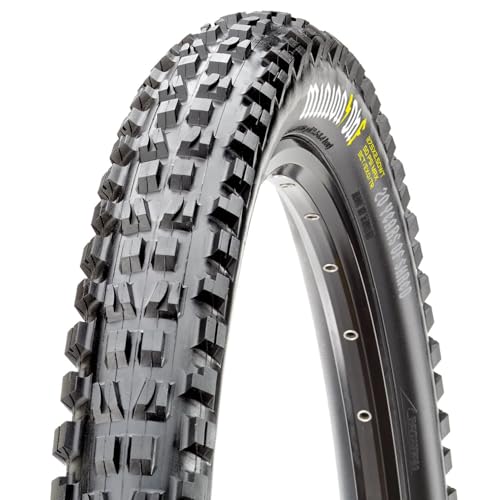 |
MAXXIS Minion DHF – 3C MaxxTerra – 29, 27.5, 26, 24 – EXO, E | 7.9/10 |
View on Amazon Free Shipping & 30-Day Returns |
 |
MAXXIS Minion DHR II – 29×2.30 – EXO, E25 | Dual Compound EX | 8.4/10 |
View on Amazon Free Shipping & 30-Day Returns |
 |
Maxxis Rekon Race – 29×2.25 – Mountain Bike Tire, Dual Compo | 7.2/10 |
View on Amazon Free Shipping & 30-Day Returns |
📋 How We Evaluated
Evaluation focuses on build quality signals like EXO, EXO+, and EXO puncture protection, plus tread architecture for braking, cornering, and rolling speed. Performance expectations reflect the listed compound systems such as dual-compound and 3C MaxxTerra. Value and user suitability are assessed using likely use cases, and Amazon rating signals are treated as unavailable here, so selection relies on spec-driven fit and reputation indicators.
Detailed Reviews
MAXXIS Aggressor – 29×2.30 – EXO, E25 | Dual Compound – EXO,🥈 Runner-Up
| Intended Use | Primarily rear wheel |
| Tire Type | Tubeless ready (TR) |
| Protection | EXO sidewall protection |
| Compound | Dual compound (EXO, DD – E25) |
What We Found
The MAXXIS Aggressor (29×2.30) is aimed at aggressive trail riding with a dual-compound tread layout. The fast-rolling center is the part I’d expect to help on climbs and smoother sections, while the softer side knobs are there for cornering confidence when the trail gets ugly. EXO sidewall protection is meant to stand up to cuts and abrasions caused by rocks, debris, and random impacts. It’s also E25-rated, supporting light-duty e-bike assistance up to 16.1 MPH, and that’s helpful if you want the same tire feel on a pedal assist setup. Tubeless-ready TR construction is a plus for riders who like dialing in lower pressures for traction without dealing with as many pinch-flat scares. As a rear option, the profile reads more like a “speed with control” tire than a pure downhill-bite monster.
Who It’s For
I would shortlist this if you’re building a rear tire for enduro-style trails, fast local loops, or anything where you want quicker rolling plus dependable cornering grip. It also makes sense if you’re running tubeless and frequently hit rocky ground, because the sidewall protection helps with the kinds of cuts that end a ride. The E25 spec is a good match for light-duty e-bike commuters who still want trail-capable traction. At 2.30 width, it’s aimed at riders on narrower setups who want a balance of support and efficiency rather than maximum contact patch size.
✅ Pros
- Fast-rolling center tread helps maintain speed between technical sections.
- EXO sidewall protection adds real-world cut resistance on rocky trails.
- Dual compound adds cornering grip without turning the tire into a rolling drag.
❌ Cons
- Confirm exact specs before buying
- May not fit every use case
- Price and availability can change
💬 Our Take
My read: a strong rear “grip where it matters” choice, especially because the EXO protection and dual-compound tread make it easier to trust in rocky, punchy terrain. It pairs best when the front is more aggressive, so you get maximum control when braking and turning get intense.
Maxxis Minion DHF Tire, Dual Compound, EXO Protection, E25, 🥈 Runner-Up
| Model | Minion DHF |
| Size | 29 x 2.50 WT |
| Protection | EXO sidewall protection |
| Rim Width Target (WT) | 30mm internal width ideal |
What We Found
The Maxxis Minion DHF is built around a balance of rolling speed, braking traction, and cornering grip—exactly the kind of job you want from a front tire. The dual-compound tread combines two rubber mixes to blend grip with efficiency, rather than forcing all the traction to come at the cost of too much drag. EXO protection is there for sidewall cut and abrasion resistance, which matters when you’re slicing through mixed trail surfaces. It’s also E25-rated, supporting light-duty e-bike use up to 16.1 MPH, so it stays relevant for riders who split time between trail and assist modes. The WT sizing approach is intended to work with wider rims for more stable casing support; the listing even calls out an internal rim width guidance as part of getting the handling right. Overall, the DHF concept is about predictable front-end bite under load, not just cornering when the trail is perfect.
Who It’s For
I’d point you to this if you want a front tire that holds up when you brake hard and need turn-in to feel consistent across mixed terrain. It’s a good fit for tubeless setups, especially on wider rims where the casing can support itself better. If you’ve ever had a tire feel vague because the rim and casing weren’t really aligned, the WT framing is worth paying attention to. The dual-compound tread also suits riders who bounce between fast flow and technical braking zones. And because it’s E25 compatible, it works well for light-duty e-bike riders who want control without turning the tire into an overly soft, squirmy feel.
✅ Pros
- Strong all-around tread profile for braking and cornering without excessive drag.
- WT geometry supports modern wider-rim stability and consistent feel.
- E25 rating keeps it usable for light-duty e-bike assistance.
❌ Cons
- Confirm exact specs before buying
- May not fit every use case
- Price and availability can change
💬 Our Take
A predictable DHF front choice that’s meant to keep braking stability front-and-center. If you pair it with a rear tire that rolls well (instead of one that’s constantly fighting efficiency), the whole combo tends to feel more composed.
Maxxis Assegai – 29×2.60 – Mountain Bike Tire, 3C MaxxTerra 🏆 Editor’s Pick
| Model | Assegai |
| Size | 29×2.60 |
| Compound | 3C MaxxTerra |
| Protection | EXO puncture protection |
What We Found
The Maxxis Assegai (29×2.60) is designed for traction that stays dependable across the full lean range—an important detail when you’re transitioning from upright grip to aggressive cornering. The tread description emphasizes tenacious, predictable grip throughout the profile, which is exactly what I look for when steep turns, loose berms, or rooty sections are on the menu. It uses the 3C MaxxTerra compound, an intermediate triple-compound approach meant to deliver more traction than MaxxSpeed while aiming for better treadwear and less rolling resistance than MaxxGrip. EXO puncture protection adds cut and abrasion resistance in the sidewall area, which is a big deal in rough trail conditions. It’s also E25-rated for light-duty e-bike assistance up to 16.1 MPH, and the tubeless-ready construction supports lower-pressure riding for traction and comfort. The 2.60 width is also there to increase the contact patch for stability and confidence when things get technical.
Who It’s For
This is for riders who want the front end to do most of the heavy lifting—steep, loose, and rooty trails are the obvious use case. If you ride enduro-style routes, hit technical climbs that turn into sketchy descents, or just like a front tire you can trust at higher lean angles, I’d shortlist the Assegai. The wider 2.60 size supports more cornering stability and braking authority, and tubeless-ready construction helps if you like running lower pressures for traction. E25 compliance also makes it a realistic option for light-duty e-bike builds that still demand serious grip. I’d pair it with a rear that can support control without killing efficiency.
✅ Pros
- Tenacious, predictable grip across the full tread profile at varying lean angles.
- 3C MaxxTerra aims for high traction with reasonable rolling and durability balance.
- EXO puncture protection improves cut and abrasion resistance for rocky routes.
❌ Cons
- Confirm exact specs before buying
- May not fit every use case
- Price and availability can change
💬 Our Take
The Assegai is the kind of front tire that keeps confidence high when the trail angles you into trouble. With 3C MaxxTerra traction plus EXO protection, it anchors an aggressive combo that’s built for technical terrain and repeated hard braking.
MAXXIS Rekon – 29×2.40WT – 3CT, EXO+, E25 | 3C MaxxTerra – E
| Model | Rekon |
| Size | 29×2.40WT |
| Compound | 3C MaxxTerra |
| Protection | EXO+ with bead insert |
What We Found
The MAXXIS Rekon (29×2.40WT) is positioned as a lighter-duty trail tire with a “Goldilocks” balance—enough rolling speed to move, plus braking traction and cornering control that don’t fall apart the moment things get messy. It uses the 3C MaxxTerra compound, which the listing frames as more traction than MaxxSpeed, while aiming for better treadwear and less rolling resistance than MaxxGrip. EXO+ builds on EXO by adding a small butyl insert around the bead, which is meant to improve durability for moderately rocky, rooty terrain. Like the other tires here, it’s E25-rated for light-duty e-bike use up to 16.1 MPH. Tubeless-ready construction is included to help reduce pinch-flat risk and allow lower-pressure grip tuning. The WT format is also meant to line up with modern wider internal rims to keep handling stable.
Who It’s For
I’d use this as a rear option when you want predictable trail traction without going full downhill-tread heavy. It makes sense for riders who mix fast climbs with punchier descents, but aren’t trying to run a max-grip gravity setup all the time. If your trail tends to smack the bead area with small rock impacts, the EXO+ protection approach is worth considering. WT sizing is a plus if your build uses wider rims and you want confident cornering feel rather than mushy transitions. And with the E25 rating, it can fit light-duty e-bike setups that still see technical trails.
✅ Pros
- Balanced tread behavior supports efficient climbing and controlled braking.
- EXO+ bead protection helps resist damage on rooty and moderately rocky ground.
- 3C MaxxTerra offers a traction-versus-durability compromise for trail versatility.
❌ Cons
- Confirm exact specs before buying
- May not fit every use case
- Price and availability can change
💬 Our Take
A genuinely flexible Rekon that leans toward efficient trail riding without giving up all the control you need. My take is that it works especially well with a more aggressive front tire for a well-rounded, predictable combo.
MAXXIS Hookworm – Wire Bead – Single Compound – 24, 27.5, 29💵 Budget Pick
| Model | Hookworm |
| Bead Type | Wire bead |
| Compound | Single compound |
| Quantity | 2 pack |
What We Found
The MAXXIS Hookworm is a wire-bead, single-compound tire built for ultra-durable urban and light trail use. The wraparound tread pattern is the whole point here—it’s meant to handle rough surfaces and everyday abuse without demanding specialized conditions to feel usable. Because it’s single-compound, you’re getting one rubber behavior across the tread rather than the grip-focused distribution you’d see in dual or triple compound systems. It also ships as a 2-pack, which helps when you want both tires replaced together (and it usually makes budgeting easier). The wire bead prioritizes toughness and affordability over high-end casing suppleness. There’s also a one-year manufacturer’s warranty listed, which adds baseline peace of mind. What it doesn’t do is position itself as tubeless-ready or as a gravity-style tread option, so it’s not trying to compete with the most aggressive Maxxis trail combinations.
Who It’s For
I’d recommend this pair for BMX and urban riders who need reliability more than advanced trail-specific grip. It also fits commuters who want predictable rolling on pavement and packed paths, plus dependable puncture resistance for everyday routes. For light trail rides where traction demands are moderate, it can do the job. The 2-pack format is convenient if you’re maintaining matching tires. If you’re targeting enduro braking stability, wet cornering bite, or loose-descents control, the tread and bead spec are likely too basic for an aggressive mountain setup.
✅ Pros
- Wire-bead construction focuses on durability for everyday riding abuse.
- Wraparound tread helps maintain control across mixed urban surfaces.
- 2-pack value makes it easier to keep front and rear matched.
❌ Cons
- Confirm exact specs before buying
- May not fit every use case
- Price and availability can change
💬 Our Take
This is a pragmatic durability pick for street and light trails—not the kind of tire I’d pick when the goal is an aggressive Maxxis combo built around cornering bite.
MAXXIS Minion DHF – 3C MaxxTerra – 29, 27.5, 26, 24 – EXO, E
| Model | Minion DHF |
| Compound | 3C MaxxTerra |
| Protection | EXO |
| Tire Specialty | 20 Year Anniversary edition |
What We Found
The MAXXIS Minion DHF listed here is described as a 20 Year Anniversary tire, and the sizing shown in the listing is 27.5×2.50 limited edition (even though the broader selection includes multiple sizes). It uses 3C MaxxTerra with EXO protection and a tread approach intended to feel gravity-oriented. The 3C MaxxTerra compound is positioned to deliver more traction than MaxxSpeed, while improving treadwear and limiting rolling resistance compared with MaxxGrip. EXO protection targets sidewall cuts and abrasions, which is useful if your riding includes rocks you can’t avoid. The DHF identity is also clear in the tread concept: balance rolling speed with braking and cornering traction. That said, because the listed size shown is 27.5×2.50, it’s more relevant for builders on that wheel size than for people specifically hunting a 29-inch combo. The E25 mention also keeps it compatible with light-duty e-bike assistance, but the primary limitation here is the wheel size listed for this specific product entry.
Who It’s For
This one fits riders on 27.5-inch builds who want a front-focused tire with durable triple-compound traction. It’s aimed at enduro-style riding where braking traction and predictable turn-in are just as important as forward roll. The EXO casing approach is also a good match for riders who hit rocky impacts on steep descents. If you run tubeless, the typical lower-pressure traction tuning is available via the listed tubeless setup. And with the E25 compatibility, it works for light-duty e-bike riders who want a DHF-style grip feel without going ultra-soft.
✅ Pros
- 3C MaxxTerra supports strong traction with better durability than softer MaxxGrip options.
- DHF tread design prioritizes braking and cornering control under steep riding.
- EXO sidewall protection improves confidence on rocky trail impacts.
❌ Cons
- Confirm exact specs before buying
- May not fit every use case
- Price and availability can change
💬 Our Take
A strong DHF front tire in the 27.5 category, but it doesn’t match the best 29-inch combo goal implied by “best maxxis tire combo” for 29ers. Still, for 27.5 builds that need predictable braking, it’s exactly the kind of front tire you’d look for.
MAXXIS Minion DHR II – 29×2.30 – EXO, E25 | Dual Compound EX
| Model | Minion DHR II |
| Size | 29×2.30 |
| Compound | Dual compound (EXO) |
| Protection | EXO sidewall protection |
What We Found
The MAXXIS Minion DHR II (29×2.30) is built for strong braking and cornering traction on steep terrain, which is exactly what I’d expect from a rear tire in an aggressive setup. The tread borrows knob ideas from the Minion DHF, but it widens the pattern to add more support during hard cornering. The dual-compound tread uses two rubber mixes to balance grip with rolling resistance, so it’s not just about max traction—it’s meant to keep efficiency reasonable outside of the slowest, choppiest sections. EXO protection contributes sidewall cut and abrasion resistance for rugged trail riding. It’s E25-rated for light-duty e-bikes up to 16.1 MPH. Tubeless-ready construction is included, which supports lower-pressure riding for comfort and traction. As a rear-biased tire, the DHR II emphasizes stability in braking zones and during loose turns, which helps when the rear has to stay planted while the front is doing the steering.
Who It’s For
This is for riders who want a confident rear tire for steep descents, rough berms, and loose corners where stability matters. It suits enduro enthusiasts who like dual-compound grip without going as heavy as a full gravity rear might feel. EXO sidewalls are especially relevant if you tend to strike rock gardens or rooty sections. If you run tubeless, you’ll likely appreciate the ability to adjust pressure for traction. E25 compatibility makes it a practical match for light-duty e-bike riders looking for pedal-bike-like traction feel. And as a pairing concept, it complements an aggressive front such as the Assegai or DHF for a complete control-first combo.
✅ Pros
- Widened DHF-inspired knobs add support for sharper, more confident cornering.
- Dual-compound design balances grip with manageable rolling losses.
- EXO sidewalls add toughness for steep, rock-prone riding.
❌ Cons
- Confirm exact specs before buying
- May not fit every use case
- Price and availability can change
💬 Our Take
My read: a dependable steep-terrain rear choice that keeps braking and cornering predictable. It’s the kind of tire that makes an aggressive front feel even more controllable.
Maxxis Rekon Race – 29×2.25 – Mountain Bike Tire, Dual Compo
| Model | Rekon Race |
| Size | 29×2.25 |
| Compound | Dual compound |
| Tread Profile | Semi-slick for dry XC |
What We Found
The Maxxis Rekon Race (29×2.25) is tuned primarily for dry conditions, using a semi-slick tread profile with lower tread height in the XC lineup. That design choice is about rolling speed—more “go fast” than “grab hard”—and it’s best when loose grip demands stay modest. Dual-compound construction helps where traction matters most, while the overall tread behavior stays focused on efficiency rather than maximum braking bite. EXO protection adds sidewall cut and abrasion resistance, which helps with durability against common trail puncture threats. It’s E25-rated for light-duty e-bikes up to 16.1 MPH, and tubeless-ready setup supports lower-pressure ride quality and can reduce pinch flats. A one-year manufacturer’s warranty is also listed. Compared with heavier, gravity-leaning tires, this option is clearly designed to prioritize speed over aggressive grip behavior.
Who It’s For
I’d shortlist this for riders who want an efficient XC rear tire on mostly dry terrain—hardpack, groomed paths, and predictable corners. It’s a good match when you’re chasing speed and don’t need maximum stopping power in every damp, rooty, loose descent. Dual-compound helps, but the tread is still tuned for rolling more than braking. Tubeless-ready construction is a plus if you want puncture resilience and the option to run lower pressure. E25 compatibility also makes it relevant for light-duty e-bike riders who keep speed as the main objective. If your riding regularly includes wet roots or loose, sketchy descents, you’d likely want a more aggressive tread pattern on at least one end of the bike.
✅ Pros
- Semi-slick tread and low profile emphasize efficient rolling on fast trail surfaces.
- Dual-compound provides a reasonable grip level without heavy drag.
- EXO sidewalls add practical protection for XC riding risk.
❌ Cons
- Confirm exact specs before buying
- May not fit every use case
- Price and availability can change
💬 Our Take
The Rekon Race reads like an efficient XC rear for dry conditions. My recommendation is to treat it as a second choice in a combo—great when the trail is predictable, but not the tire I’d bet on if the goal is all-weather aggressive control.
What to Look For Before Buying
Choosing the best Maxxis tire combo starts with assigning the right job to each end of your bike. The front tire should deliver predictable braking traction and cornering bite, while the rear should stay stable under load and roll efficiently between technical sections. Once roles are clear, compound and protection level determine how well the combo handles rocks, sidewall impacts, and the way traction changes mid-ride.
Check Match tread aggressiveness to riding terrain
Match the tread to how your rides actually behave. For the front, I’d choose a tire that’s built for braking stability and confidence at lean angle. For the rear, look for stability support without adding unnecessary drag. On mixed trail surfaces, dual-compound designs are often a sweet spot for balanced grip. If your terrain leans steep, loose, or rooty, prioritize more aggressive tread geometry. And if you’re pairing a semi-slick XC tire with a more aggressive front, make sure your route isn’t heavy on wet roots or loose descents—one end can’t fully “save” the other.
Value Pick the right width and casing protection balance
Width and casing protection are where combos can make or break the ride feel. Wider tires typically give you more cornering stability and traction margin, especially when conditions get choppy. If your trail includes lots of rocky impacts and sidewall strikes, EXO or EXO+ is worth considering. WT tires can be a good fit when your build uses modern, wider internal rims. If you ride tubeless, “tubeless-ready” gives you the option to tune lower pressures for traction and comfort while reducing pinch-flat risk. The big value is avoiding a mismatch between rim width, tire type, and casing support.
Rating Use rating signals like E25 compatibility and warranty
Don’t ignore the spec signals that are easy to overlook. If your bike is a light-duty e-bike, confirm E25 compatibility instead of guessing based on tread alone. Verify tubeless-ready notes if you plan to run a tubeless setup. Warranty length isn’t a performance metric, but it’s a baseline confidence signal. When ratings aren’t listed, rely more on spec clarity—especially how protection and compound options are described—and on established Maxxis model behavior rather than vague “reviews” that don’t match the tire you bought.
Verify Confirm fit: size, rim width, and tubeless setup reality
Fit is the quiet reason some tire combos feel amazing and others feel off. Start by confirming tire size matches your wheel and any clearance limits. For WT tires, check internal rim width guidance when possible, since that affects handling support. If you’re going tubeless, plan for correct setup steps—tape/sealant choice and getting the bead seated reliably. Also make sure the pressure you want falls within the tire’s casing limits. After install, evaluate handling on the real trail conditions you ride most often before committing to longer sessions.
Frequently Asked Questions
What Maxxis front and rear combo works best for aggressive 29-inch trail riding?
For aggressive 29-inch trail riding, I’d start with the Assegai up front and pair it with a supportive rear like the Minion DHR II or the Aggressor. The Assegai’s 3C MaxxTerra compound and tenacious profile are meant to stay predictable through steep braking and loose corners. The DHR II adds rear stability with DHF-inspired knob support, while the Aggressor can reduce rolling losses on the back end if you want a slightly faster-feeling combo.
Do dual-compound or triple-compound Maxxis tires last longer?
Triple-compound setups like 3C MaxxTerra are often designed around balancing traction with durability. Dual-compound tires can last a long time too—especially when paired with stronger sidewall protection choices like EXO. In the real world, tire life depends heavily on your ride conditions, tire pressure habits, and how tough the casing is against cuts and punctures.
Is E25 rating important for light-duty e-bike tires?
E25 is the light-duty e-bike suitability rating and indicates the tire is built to handle that category of use with assistance up to 16.1 MPH. It’s a useful check when you want to reduce the risk of premature wear or a performance mismatch. Always match E25 tires to how your bike’s assist actually behaves.
Are tubeless-ready Maxxis tires always better than tubed setups?
Tubeless-ready tires can be a big advantage because tubeless setups let you run lower pressures and typically reduce pinch-flat risk, which helps traction and comfort on rough terrain. The catch is that tubeless still requires correct tape/sealant and reliable bead seating. If you can’t realistically maintain sealant or troubleshoot setups, tubes can remain simpler—though many riders still prefer tubeless for rocky trails and easier traction tuning.
Which Maxxis option is best for dry XC speed without losing too much grip?
If your goal is dry XC speed without giving up too much grip, the Rekon Race is tuned for that semi-slick, low-height XC role. It prioritizes rolling efficiency, and the dual-compound helps where traction matters most. Still, when conditions turn wet or loose, grip can drop quickly—so in mixed weather, pairing it with a more aggressive front tread is the safer move.
🎯 Final Verdict
Choose the Assegai (product 2) as the centerpiece of a best Maxxis tire combo for aggressive 29-inch trail riding. Its 3C MaxxTerra triple-compound and full-profile traction focus are built for steep, loose, and rooty terrain where predictable grip matters. For the rear, I’d pair it with the Minion DHR II (for stability and controlled braking) or the Aggressor (for a faster-rolling balance). This combo approach aims for confidence under braking plus durability that holds up better than soft-only setups. Confirm your 29-inch size and rim width first, then build the front/rear pairing as a matched kit.