Dead-battery anxiety can turn a weekend ride into a scramble—especially if your bike sits for weeks, a scooter gets used intermittently, or temperatures dip where you live. Many of the best lithium ion motorcycle batteries are marketed as faster and more reliable than lead-acid, but the real-world outcome still comes down to fitment, the battery’s built-in protection, and whether you have the right charging setup. This review zeroes in on Li-ion options made for powersports, with practical focus on what the listings say about protection (BMS), charging behavior, indicators, and vehicle compatibility.
In my read, the “best” lithium motorcycle battery is the one that matches your bike’s exact group size, terminal orientation, and charge requirements—then keeps doing its job without getting damaged by the way your system charges it. Chemistry matters too: LiFePO4 generally behaves more predictably for harsh conditions, while generic lithium-ion packs can be more sensitive to voltage. I would also treat the BMS as non-negotiable, since cell balancing and safeguards against overcharge/over-discharge and overheating are what protect the cells over time. Below, I’ve prioritized batteries that are clearly aimed at motorcycles and powersports, and I call out when a product reads more like a deep-cycle lithium system than a true starting battery.
⚡ Quick Verdict
Our Top Picks at a Glance
| Image | Product | Score | Link |
|---|---|---|---|
 |
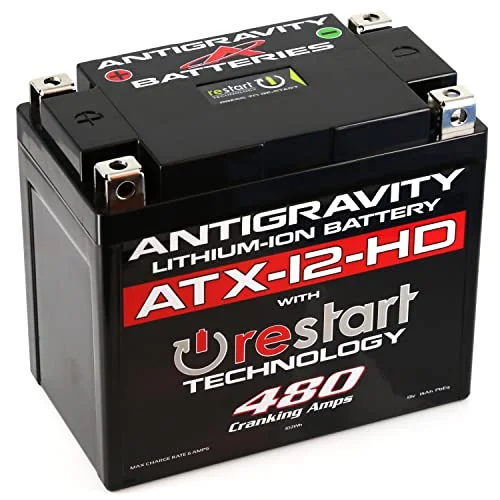
Antigravity ATX12-HD. Heavy Duty Lithium Motorcycle and Powe 🏆 Editor’s Pick |
8.9/10 |
View on Amazon Free Shipping & 30-Day Returns |
 |
DOUKAS DKL14A YTX14AH-BS 450A LiFePO4 Motorcycle Lithium Bat 🥈 Runner-Up |
8.1/10 |
View on Amazon Free Shipping & 30-Day Returns |
 |
RDJLIPB YTX30L-BS Lithium Battery, 12V 10Ah 600CCA LiFePO4 M | 7.6/10 |
View on Amazon Free Shipping & 30-Day Returns |
 |
BOSCH BLP5S – Group 5-12V Lithium Battery – Powersport Li-io 👑 Premium Pick |
8.4/10 |
View on Amazon Free Shipping & 30-Day Returns |
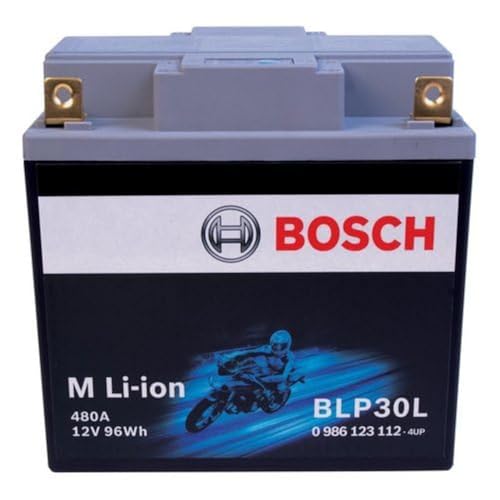 |
BOSCH BLP30L – Group 30-12V Lithium Battery – Powersport Li- | 7.9/10 |
View on Amazon Free Shipping & 30-Day Returns |
 |
Anti-Gravity AG-ATZ-10-RS LITHIUM-ION Battery | 6.8/10 |
View on Amazon Free Shipping & 30-Day Returns |
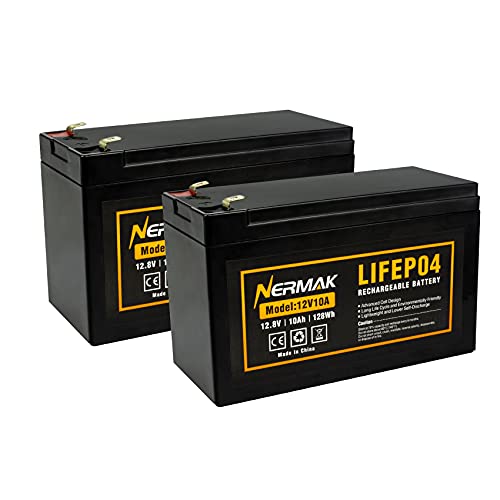 |
Nermak 2 Pack 12V 10Ah Lithium Ion LiFePO4 Deep Cycle Batter | 7.2/10 |
View on Amazon Free Shipping & 30-Day Returns |
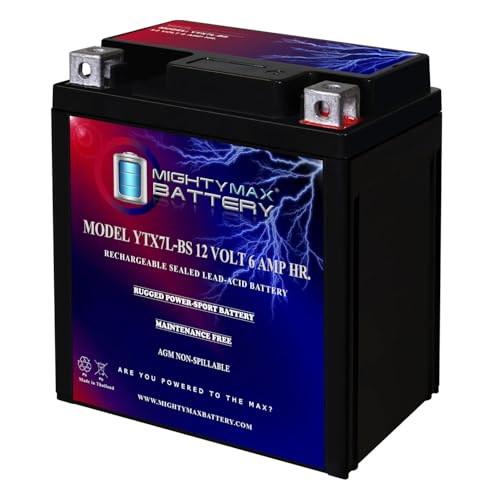 |
Mighty Max Battery YTX7L-BS -12 Volt 6 AH, 100 CCA, Recharge | 6.1/10 |
View on Amazon Free Shipping & 30-Day Returns |
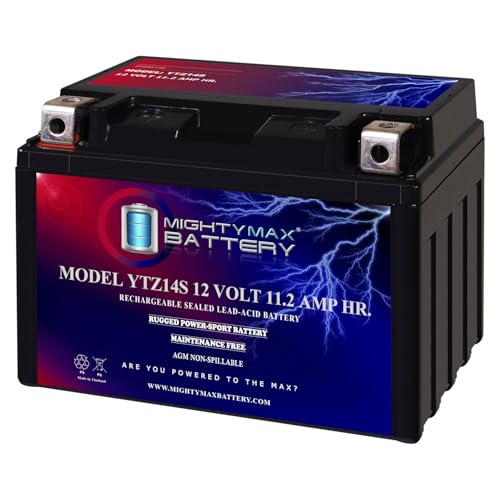 |
Mighty Max Battery YTZ14S -12 Volt 11.2 AH, 230 CCA, Recharg | 6.2/10 |
View on Amazon Free Shipping & 30-Day Returns |
📋 How We Evaluated
Evaluation focuses on protection features like BMS safeguards, claimed performance such as CCA or cranking current, and charging practicality. Build quality signals come from stated cell management, terminal design, and fitment notes like OEM case sizing or group sizing. Value and user suitability rely on brand credibility cues and suitability details that indicate who can install the battery safely and correctly.
Detailed Reviews
Antigravity ATX12-HD. Heavy Duty Lithium Motorcycle and Powe🏆 Editor’s Pick
| Battery Type | Lithium motorcycle and powersport battery with built-in jump starting (RE-START) |
| Capacity | 8Ah |
| Protection System | BMS with cell balancing and protections (over-charge, over-discharge, over-temperature) |
| Charging Approach | Maximum speed charging claims for faster recharge than lead-acid |
What We Found
The Antigravity ATX12-HD is built for riders who don’t want to rely on a separate jump starter. The standout feature in the listing is the built-in RE-START jump-start system: press the RE-START button on the battery and get the bike running, with a remote RE-START accessory also mentioned for easier roadside use when you don’t want to access the battery location. For “power,” the listing leans on a claim of up to 200% larger lithium pack content than competitors in the same group size, with an emphasis on stronger cranking and better cold-weather starts. It also calls out a battery management system (BMS) with cell balancing and protections for over-charge, over-discharge, and over-temperature, plus a “maximum speed” charging positioning compared with lead-acid.
Who It’s For
I would shortlist this for street riders and common street-motorcycle applications (where the group sizing fits) who want convenience every time the bike starts—especially if you ride in colder conditions or store the bike in a way that makes jumper cables annoying. The built-in RE-START feature is also the kind of convenience that makes sense for commuters and touring riders who hate the “dead battery” scenario. It’s less about raw lithium theory and more about reducing stranded-start risk as part of your normal ownership routine.
✅ Pros
- Built-in jump starting via the RE-START button adds real-world convenience when a bike sits too long.
- Cell balancing and multiple BMS protections support safer operation and improved longevity versus unmanaged lithium packs.
- OEM-style sizing and drop-in terminal design reduce install errors and fitment headaches.
❌ Cons
- No price or external rating data limits certainty about day-to-day value versus other lithium options.
- The listing focuses on benefits but provides limited hard cranking specs in the provided details.
- Built-in jump features may add complexity compared with simpler lithium packs for users who only need standard starting power.
💬 Our Take
My take is that built-in jump starting is a big deal because it directly addresses the failure moment you’re trying to avoid. If you confirm the fitment and charging setup are right for your bike, the ATX12-HD reads like an easier daily-ownership lithium option than batteries that require a separate jumper system.
DOUKAS DKL14A YTX14AH-BS 450A LiFePO4 Motorcycle Lithium Bat🥈 Runner-Up
| Chemistry | LiFePO4 lithium |
| Starting Power Claim | 450A |
| Weight | 1.98 lb (0.9 kg) |
| Charging Claim | Recharge in minutes with rapid-charge technology |
What We Found
The DOUKAS DKL14A YTX14AH-BS is positioned as a lightweight LiFePO4 starting battery with a clear focus on convenience and longevity. The listing highlights 450A starting power and a very low stated weight (about 1.98 pounds), framing it as a center-of-gravity benefit compared with lead-acid. It also emphasizes service life versus lead-acid, supported by an integrated BMS and a built-in status indicator that’s meant to make battery condition easier to check. For charging, the listing pushes rapid-charge/fast recharge language, including a claim that it can be recharged in minutes and an up to 5x comparison against lead-acid, plus a broad compatibility approach across powersports categories.
Who It’s For
This is a good fit if you want a low-weight LiFePO4 upgrade and you’re prioritizing easy monitoring through the indicator. I would look at it for motorcycles, jet skis, scooters, and even generators—anywhere the YTX14AH-BS class fitment and terminal placement match what your compartment expects. It also works for buyers who like having one battery that can cross over multiple brand applications, as long as the group size and dimensions line up.
✅ Pros
- LiFePO4 chemistry plus integrated BMS protection supports safer use and long service life claims.
- Very low weight can noticeably improve handling and reduce fatigue for lighter bikes.
- Compatibility mapping and multiple cross-references simplify the selection process for common replacements.
❌ Cons
- No price or third-party rating data limits confidence in real-world consistency.
- The listing provides starting power as a large single number, but lacks context about test method and cold-weather performance.
- Fast-charge claims can tempt owners to use unsuitable chargers, which can shorten battery life if charger specs are ignored.
💬 Our Take
My read is that this is a strong lightweight LiFePO4 option when fitment cross-references are confirmed. It’s close to the top, but it comes off a bit behind mainly because the provided details don’t make certain performance and convenience specifics as concrete as the very top choices.
RDJLIPB YTX30L-BS Lithium Battery, 12V 10Ah 600CCA LiFePO4 M
| Voltage | 12.8 V |
| Capacity | 10Ah (128 Wh) |
| Cranking Rating Claim | 600–700 CCA |
| Display/Protection | Touch-sensitive LCD SOC + built-in intelligent BMS safeguards |
What We Found
The RDJLIPB YTX30L-BS leans hard into the LiFePO4 “long life” story while still giving buyers practical setup information. The listing includes specific physical measurements and weight, which is helpful if you want to verify compartment fit before ordering. It states 12V, 10Ah, and 600–700 CCA class performance, and it also frames the capacity in terms of a lead-acid equivalent (10Ah vs. a 30Ah lead-acid pack). For protection, it calls out an intelligent BMS with safeguards for overcharging, over-discharging, overcurrent/short circuits, and overheating. The touch-sensitive LCD display is another useful detail—it’s meant to show SOC and real-time voltage, which reduces guesswork for stored-season bikes or rides across variable temperatures. The listing also emphasizes charging diligence, including the need for a charger voltage/profile appropriate for LiFePO4 rather than assuming lead-acid charging behavior will work.
Who It’s For
I would consider this for riders who want a compact, lighter LiFePO4 upgrade in the YTX30L-BS class—especially for higher-demand uses like larger ATVs, UTVs, and bikes that fall into that YTX30L-BS fitment bucket. The LCD SOC/voltage readout is the kind of feature I’d value if you frequently check readiness before riding or if your schedule makes seasonal storage more common. It also makes sense if you’re comfortable verifying charging voltage with a multimeter, because the listing clearly flags charging requirements.
✅ Pros
- Specific dimensions and weight reduce the risk of incorrect fit compared with vague listings.
- The LCD SOC and voltage readout improves day-to-day monitoring and storage confidence.
- Built-in BMS coverage and LiFePO4 claims support safer operation and high cycle-life expectations.
❌ Cons
- Important charger and regulator voltage constraints add risk for installers who skip verification.
- The listing’s CCA range can confuse buyers trying to match a single exact specification.
- No price or rating data prevents strong value comparisons.
💬 Our Take
This one stands out to me because the LCD plus BMS protection makes it easier to manage the battery when you don’t ride constantly. The tradeoff is that the installation and charging warnings mean you have to be a bit more deliberate to get the best results.
BOSCH BLP5S – Group 5-12V Lithium Battery – Powersport Li-io👑 Premium Pick
| Group/Class | Group 5 |
| Voltage | 12V |
| Charge Time Claim | Up to 2 hours to fully charge |
| Form Factor | 4.45 in x 2.72 in x 3.35 in |
What We Found
Bosch’s BLP5S is aimed at powersports riders who want lithium phosphate behavior and fast turnaround between rides. The listing specifically targets high energy demand scenarios like extended off-roading and long idle times, and it claims up to a 4x longer lifespan compared with traditional lead-acid batteries. Charging speed is one of the clearest advantages mentioned: up to about 2 hours to fully charge versus up to about 5 hours for lead acid. It also includes a push-button SOC indicator so you can check remaining power quickly, which helps prevent surprise dead-start moments. The listing positions it as maintenance-free (no fluids to add) and frames intended usage around motorcycles with ABS and ESP, plus other powersports like scooters and ATV/UTV setups.
Who It’s For
This is worth a look if you want a brand-led lithium phosphate battery for motorcycles with modern electronics and you like the idea of a short recharge window. I would see it working well for ABS/ESP-equipped motorcycles as well as related powersports platforms like scooters, dirt bikes, ATV/UTVs, and jet skis—assuming your group size and compartment fit is correct. The SOC push button is especially helpful if you don’t keep a charger plugged in all the time and prefer quick checks instead of guessing.
✅ Pros
- Fast recharge claim supports quick recovery after rides or limited-access storage.
- State-of-charge indicator reduces the chance of surprise dead starts.
- Bosch branding and lithium phosphate positioning improve confidence in long-term maintenance behavior.
❌ Cons
- No actual capacity or cranking figures appear in the provided details, limiting performance comparisons.
- No price or customer rating data reduces clarity on value versus lesser-known brands.
- Group sizing must match the application precisely, and the listing does not include terminal specifics here.
💬 Our Take
My take is that Bosch’s BLP5S hits a practical sweet spot: phosphate safety positioning, faster charging, and an easy SOC check. Even with limited “hard” electrical specs shown in the provided text, it reads as a convenience-forward lithium option.
BOSCH BLP30L – Group 30-12V Lithium Battery – Powersport Li-
| Group/Class | Group 30 |
| Voltage | 12V |
| Charge Time Claim | Up to 2 hours to fully charge |
| Form Factor | 6.89 in x 3.43 in x 6.10 in |
What We Found
The Bosch BLP30L is the higher-capacity sibling in the listing’s lineup, aimed at Group 30-sized applications and higher-demand riding or off-roading patterns. Like the BLP5S, it emphasizes phosphate-based lithium performance, maintenance-free operation (no fluids), and a longer lifespan claim versus lead-acid. The listing also reiterates faster recharge as a key benefit—up to about 2 hours to fully charge compared with up to about 5 hours for lead acid—and includes a push-button SOC indicator for checking remaining power. It states the physical size, which helps installers confirm whether it will fit the compartment before buying. Overall, the provided copy focuses on predictable usability rather than niche features.
Who It’s For
I’d put this on the shortlist if you need a Group 30 lithium battery for larger or more power-demanding powersports setups. It’s a sensible option for riders who deal with seasonal cycles and want faster turnaround when getting the machine back into service. The SOC indicator supports routine pre-trip checks before longer rides or off-road outings. It’s also a good match for buyers who prefer brand-consistent operation and maintenance-free handling over lead-acid upkeep—again, assuming your charging system is compatible with lithium phosphate requirements.
✅ Pros
- Fast charge claim reduces downtime between rides and seasonal storage gaps.
- Maintenance-free design removes fluid handling and related hazards.
- SOC indicator offers quick readiness checks before riding.
❌ Cons
- The provided details omit specific capacity and cranking metrics needed for accurate performance matching.
- No price or rating data limits value assessment.
- Group sizing accuracy is critical, and the listing’s provided dimensions may still not cover all mounting constraints.
💬 Our Take
My read is that BLP30L is a practical lithium phosphate choice when you’ve confirmed the Group 30 fitment. It’s not my top pick here mainly because the provided text doesn’t include the same built-in jump-start convenience as the leading ATX12-HD-style options.
Anti-Gravity AG-ATZ-10-RS LITHIUM-ION Battery
| Feature | Built-in jump starting via RE-START button |
| Remote Option | Remote RE-START accessory available |
| Chemistry/Type | Lithium-ion battery (lithium-ion motorcycle battery listing) |
| Key Specs Provided | Not listed in provided details (capacity, CCA, dimensions absent) |
What We Found
The Anti-Gravity AG-ATZ-10-RS listing centers on built-in jump starting through RE-START technology. The key idea is that you can start the vehicle by pressing a RE-START button on the battery, with no separate jumper cables or a companion vehicle implied. It also mentions a remote RE-START accessory, which is meant to make the feature easier to use if you don’t want to reach the battery location. Beyond that jump-start convenience, the provided details are lighter on the “must-know” electrical setup items—there aren’t clear specs here like Ah capacity, cranking current (CCA), exact dimensions, or BMS protection details. The listing also doesn’t provide charger compatibility notes or performance ranges in the text shown, so the decision has to wait until those essentials are confirmed.
Who It’s For
This is best for riders who want emergency starting capability built into the battery itself and prefer an all-in-one solution kept on the bike. I’d consider it for scooters or stored motorcycles where dead battery risk is a recurring problem. The remote trigger mention helps if the battery location is awkward to access. Just be aware that the purchase value is heavily dependent on confirming the ATZ-10-RS class dimensions and making sure the battery’s electrical specs match your vehicle’s real starting needs, since those specifics aren’t included in the provided information.
✅ Pros
- Onboard jump starting can prevent roadside delays when cables and another vehicle are unavailable.
- Remote RE-START option improves access comfort for hard-to-reach battery locations.
- Designed around a simple user action, which helps reduce human error under stress.
❌ Cons
- Missing capacity, cranking, and BMS protection details make performance and safety comparisons difficult.
- No price or rating data reduces confidence in value.
- Without fitment and charging specifications here, buyers may face install uncertainty.
💬 Our Take
The RE-START convenience is compelling, but with the limited electrical and fitment details provided here, I wouldn’t treat this as a “lock it in” lithium starter until you confirm the full specs and compatibility.
Nermak 2 Pack 12V 10Ah Lithium Ion LiFePO4 Deep Cycle Batter
| Configuration | 2-pack of 12V 10Ah LiFePO4 batteries |
| Cycle Claim | 2000+ cycles |
| BMS Output/Protection | Built-in 10A BMS |
| Charging Warning | Use LiFePO4 special charger; automatic SLA chargers may not fully charge |
What We Found
The Nermak 2-pack 12V 10Ah LiFePO4 batteries read more like deep-cycle storage power than a direct motorcycle crank battery. The listing emphasizes deep-cycle capability, including a built-in 10A BMS and protection claims covering overcharge, over-discharge, over-current, short circuit, and low self-discharge behavior. It claims 2000+ cycles and positions LiFePO4 as longer-lived with no memory effect. It also includes storage guidance that points to using a LiFePO4 special charger and warns that fully automatic SLA chargers may not fully charge. The expansion options are a big clue about intended use: it discusses series/parallel configurations and even mentions scaling up with multiple identical batteries (up to four in series). That’s useful for solar/backup power, but it’s less directly aimed at giving motorcycle buyers CCA-style starting performance detail.
Who It’s For
I’d put this set in the category of riders or owners who need 12V lithium storage for things like lights, scooters, small UPS systems, fish finders, or solar/wind setups—where deep-cycle output matters more than a high CCA starting profile. The expansion flexibility also appeals to people building a larger capacity bank for off-grid use. If your goal is a straightforward motorcycle replacement based on starting current, this is likely not the first option I’d prioritize from the list because the cranking-focused claims aren’t central in the provided details.
✅ Pros
- Deep-cycle orientation and expansion capability fit solar and backup power setups well.
- BMS protection claims cover common lithium failure modes like overcharge and overcurrent.
- Low self-discharge storage claim supports seasonal use without frequent recharging.
❌ Cons
- Not clearly designed for high cranking loads typical of motorcycle starting use.
- No motorcycle-specific CCA or starting-current claims appear in the provided details.
- Charger compatibility warnings require careful charger selection for full charging.
💬 Our Take
This pack shines for deep-cycle and off-grid use cases, not as a simple “best lithium motorcycle starter” swap. Before choosing it for cranking, I’d make sure it matches your vehicle’s starting-current needs.
Mighty Max Battery YTX7L-BS -12 Volt 6 AH, 100 CCA, Recharge
| Battery Chemistry | Sealed Lead Acid (SLA) AGM |
| Voltage/Capacity | 12V, 6Ah |
| Cold Cranking Amps | 100 CCA |
| Mounting/Warranty | Spill-proof; one-year warranty |
What We Found
The Mighty Max Battery YTX7L-BS is a sealed lead acid (SLA) AGM battery, not a lithium-ion option. The listing provides 12V, 6Ah, and 100 CCA, plus a spill-proof design. It emphasizes shock and vibration resistance and claims suitability for mounting in any position. It also calls out wide operating temperatures and deep discharge recovery, and it includes a one-year warranty. The dimensions and polarity information are clearly presented (positive on the right, negative on the left). Even though it would cover the battery category needed by machines that use the YTX7L-BS class, it doesn’t align with the lithium-focused scope implied by this review—there’s no LiFePO4/BMS/fast-charge lithium story here.
Who It’s For
This is for riders who want a budget-friendly, conventional replacement and don’t need lithium weight savings. It fits scooters and motorcycles that specifically use the YTX7L-BS class and where the OEM/aftermarket charging setup lines up with lead-acid behavior. The spill-proof AGM format is also helpful if you’re cautious about installation orientation or leaks. I’d also point to this if you prefer warranty-backed simplicity and more predictable charging expectations rather than needing a lithium-compatible charger profile.
✅ Pros
- Clear dimensions and polarity support easier compatibility checks during replacement installs.
- AGM spill-proof construction reduces mess risk and suits varied mounting positions.
- Warranty coverage offers predictable support for a traditional battery choice.
❌ Cons
- Not lithium-ion, so it diverges from lithium-ion motorcycle battery performance goals.
- Lower cycle life and heavier weight relative to lithium options can reduce long-term value.
- No lithium-style BMS indicators or fast recharge claims apply here.
💬 Our Take
It’s a dependable AGM replacement for its intended class, but it can’t compete with lithium batteries on recharge speed and weight. It’s a practical fallback when lithium fitment or charger decisions aren’t worth the hassle.
Mighty Max Battery YTZ14S -12 Volt 11.2 AH, 230 CCA, Recharg
| Battery Chemistry | Sealed Lead Acid (SLA) AGM |
| Voltage/Capacity | 12V, 11.2Ah |
| Cold Cranking Amps | 230 CCA |
| Warranty | Full one-year warranty |
What We Found
The Mighty Max Battery YTZ14S is another sealed lead acid (SLA) AGM option, not a lithium-ion battery. The listing states 12V, 11.2Ah, and 230 CCA, along with spill-proof construction. It provides dimensions and clear polarity details (positive on the left and negative on the right). The copy also highlights high discharge rate handling, wide operating temperatures, and resistance to shock and vibration. It mentions deep discharge recovery as well, which can matter for seasonal storage and intermittent riding. A one-year warranty is included. As with the other Mighty Max listing here, the provided information focuses on lead-acid AGM behavior rather than lithium advantages like lithium-safe BMS protections, lithium charging compatibility, or weight savings.
Who It’s For
This fits riders who need a reliable AGM replacement in the YTZ14S class. It’s a good match for motorcycles or ATVs where the charging system is designed around AGM lead-acid chemistry. The shock resistance angle also makes sense for off-road riding and vibration-heavy setups. If you want warranty coverage and simpler charging expectations instead of lithium-specific charger requirements, this is the more familiar choice.
✅ Pros
- Higher CCA rating supports stronger cranking for the YTZ14S application class.
- Spill-proof AGM construction improves safety during installation and handling.
- Clear polarity and dimensions reduce fitment guesswork.
❌ Cons
- Not lithium-ion, so it conflicts with the lithium-ion motorcycle battery shopping intent.
- Heavier weight and shorter cycle life versus lithium options reduce long-term benefits.
- No lithium BMS features or fast-charge claims apply.
💬 Our Take
This AGM battery should perform reliably for its intended lead-acid class, but it won’t match lithium on weight or recharge goals. I’d treat it as a practical alternative when lithium fitment—or the right charging plan—isn’t something you want to manage.
What to Look For Before Buying
If you want the best lithium ion motorcycle batteries, I would start by confirming the exact group size, dimensions, and terminal orientation your bike uses—because fit mistakes are one of the easiest ways to end up with an “installed but unusable” battery. Then I would match chemistry and charging needs, especially whether you’re dealing with LiFePO4 versus a more general lithium-ion pack, since charger behavior can make or break battery life. A strong BMS matters for both longevity and safety, so I look for protections that cover overcharge, over-discharge, temperature, and current limits. Finally, I treat rating signals and return options as risk controls—if price and ratings aren’t clearly shown, I would assume you need more verification before trusting performance claims.
Check Verify fitment and terminal polarity
Don’t skip the basics: use the listed group size, dimensions, and terminal layout to confirm the battery will actually seat correctly. Check both positive and negative terminal positions, because many batteries only work in one orientation. If the listing uses square or threaded terminals, I would compare the hardware requirements to what your bike already has—no improvising if you can avoid it. When in doubt, measure the compartment and cross-check length, width, and height before ordering.
Value Compare real cranking and capacity, not just marketing claims
I would focus on the starting/current details that relate to your vehicle’s starter load: CCA (or an equivalent starting current) plus capacity (Ah/Wh). If you ride in cold climates, cold-start ability and reserve capacity tend to matter more than the “lightweight” angle alone. Look for clear protection and monitoring features, because early failures are often tied to how a battery is charged or stressed. If you frequently store bikes for long stretches, a model with jump-start capability can reduce the real inconvenience even if it’s not the most “pure” lithium spec on paper.
Rating Use rating signals and warranty as risk controls
Amazon ratings and review volume can help you see whether a battery performs consistently across different charging habits and temperatures. I would filter reviews for fitment complaints, charging mismatch issues, and early-death reports. Warranty length and clarity also affect total cost—especially with lithium where charging errors can shorten lifespan. If the listing doesn’t show ratings or price transparency, I would treat bold performance claims as unverified until you can confirm them through clearer specs and reliable seller support.
Verify Match the charger and charging voltage window
Lithium batteries often need a charger designed for LiFePO4 or lithium-safe charging profiles. A lead-acid charger can overcharge lithium packs and shorten lifespan, so I would not assume compatibility. When the listing provides voltage limits, verify your motorcycle’s charging system output with a multimeter—then charge within the battery’s stated range. Follow the manufacturer’s stated charge-time guidance, but don’t chase “faster” if it pushes beyond what the battery is meant to handle. Finally, check what the BMS does during protection events, especially before long seasonal storage.
Frequently Asked Questions
Are LiFePO4 batteries better than standard lithium-ion for motorcycles?
LiFePO4 batteries are often preferred for motorcycles because they tend to offer strong safety characteristics and more stable behavior. Many motorcycle lithium batteries use LiFePO4 specifically because it can handle harsher conditions more predictably. That said, some standard lithium-ion packs can still work well—what matters most is whether the battery’s BMS is robust and whether your charger and voltage requirements match what the battery expects. If you verify those compatibility points, you’ll get much safer results.
What prevents a lithium motorcycle battery from dying after storage?
A good BMS helps prevent damage from over-discharge and over-current events, which are common ways batteries suffer during storage. Low self-discharge also helps it retain charge longer when the bike isn’t ridden. Using the correct LiFePO4 charger profile and avoiding incorrect voltage settings can protect cell health over time. I also like having an indicator so you can check SOC before the next ride instead of discovering problems on day one.
Do I need a dedicated lithium charger?
Often, yes—especially for LiFePO4 batteries. Many listings warn that fully automatic SLA chargers may not fully charge lithium packs. Lithium chargers use voltage/current profiles that better protect cell health. If the listing includes a voltage ceiling or charging limits, I would verify your bike’s charging system output (or charging behavior) matches those limits before charging.
How can built-in jump starting change ownership experience?
Built-in jump starting means you’re less dependent on jumper cables or another vehicle, which is a real quality-of-life improvement when a bike or scooter sits long enough to lose charge. Models with a RE-START-style button can make roadside fixes simpler and faster. Still, you should confirm the battery’s electrical specs and fitment match your motorcycle’s starting needs—convenience doesn’t replace compatibility.
How should lithium batteries be installed to avoid fitment issues?
I would confirm the compartment size, terminal orientation, and mounting method before tightening anything down. Make sure you’re using the terminals/adapters intended for the battery’s square or threaded design. Avoid forcing the battery into place—improper seating can stress terminals and wiring. After install, verify charging voltage with a multimeter when the manufacturer provides voltage limits or charging warnings.
🎯 Final Verdict
My top pick is the Antigravity ATX12-HD because the built-in RE-START jump starting directly reduces the “dead battery” problem that shows up when bikes sit or when cold weather hits. The listing also emphasizes BMS protections and a true drop-in fit approach, which matters as much as chemistry for daily reliability. If you want a strong alternative, the Bosch BLP5S brings phosphate lithium positioning with fast charging and a simple SOC indicator, but without onboard jump-start convenience. Either way, I would confirm fitment dimensions, charger compatibility, and the charging voltage limits before committing to a lithium battery for your specific riding schedule.