
Oil consumption is the kind of problem that starts as a nagging quart every few thousand miles and ends as blue smoke, fouled plugs, and a light on the dash. Some additives can slow the leak past rings or help tired seals behave while you plan a real fix. None of them replace diagnosis, but the right bottle matched to the right symptom can buy time and peace of mind.
This guide ranks ten additives and treatments riders and drivers actually buy for oil use, smoke, and high mileage engines. You will see what each product is meant to do, where it helps, and where you are better off with a compression test and a wrench instead of another miracle pour.
Best Additive for Oil Consumption: Top 10 Compared
| Image | Product | Best for | Buy |
|---|---|---|---|
 |
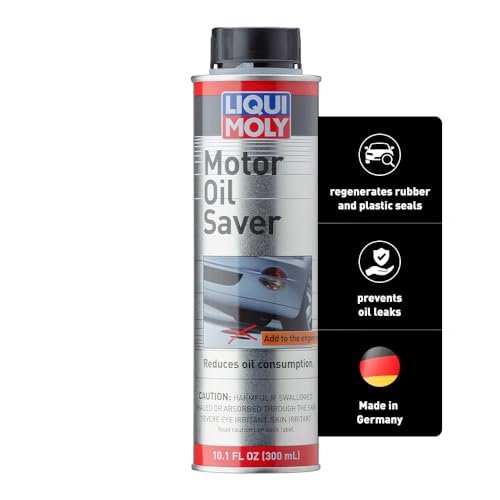
Liqui Moly Motor Oil Saver (300 ml) | Mild consumption when seals and valve guides are suspect and you want a European formula. | View on Amazon
Free shipping and 30-day returns on many orders
|
 |
Liqui Moly Cera Tec (ceramic friction reducer) | Wear protection and friction reduction on engines that work hard, not magic ring repair. | View on Amazon
Free shipping and 30-day returns on many orders
|
 |
Liqui Moly MoS2 anti-friction treatment (300 ml) | Old school friction reduction on tired flat tappet or high load setups when spec allows MoS2. | View on Amazon
Free shipping and 30-day returns on many orders
|
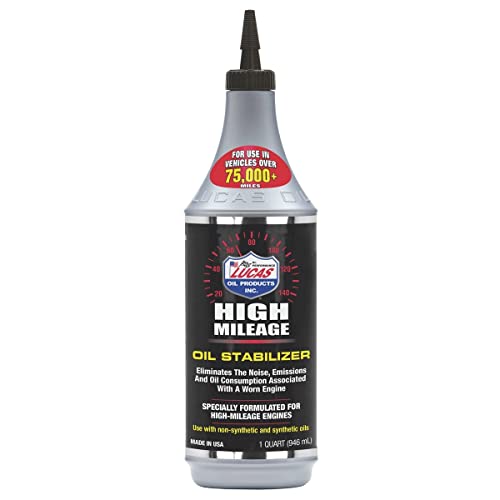 |
Lucas High Mileage Oil Stabilizer | Thicker film and seal conditioning on high mile cars that burn or leak a little between changes. | View on Amazon
Free shipping and 30-day returns on many orders
|
 |
Lucas Heavy Duty Oil Stabilizer (1 quart) | Trucks, tow rigs, and V8s where people want a heavier dose than the small bottle lineup. | View on Amazon
Free shipping and 30-day returns on many orders
|
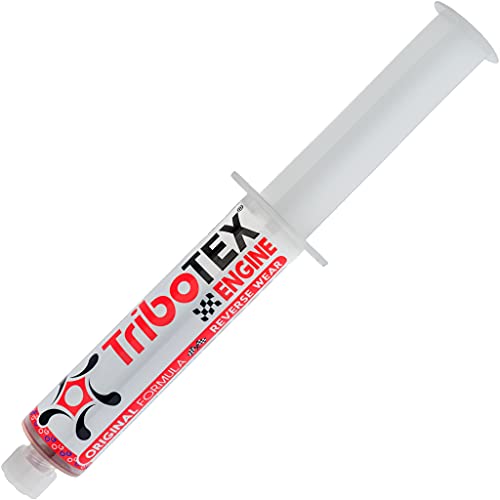 |
Tribotex nano engine treatment | Experimenters chasing nano friction films on daily drivers when the budget allows a premium additive. | View on Amazon
Free shipping and 30-day returns on many orders
|
 |
Power high performance lubricant (car and marine) | Mixed fleets that want one additive story for auto and marine engines when labels align. | View on Amazon
Free shipping and 30-day returns on many orders
|
 |
BG MOA motor oil additive | Owners who know BG from dealer services and want the same supplement for home oil changes. | View on Amazon
Free shipping and 30-day returns on many orders
|
 |
Bestline Racing engine oil additive | Performance oriented drivers who read racing marketing and still check viscosity limits before pouring. | View on Amazon
Free shipping and 30-day returns on many orders
|
 |
Liqui Moly Truck Series oil treatment (500 ml) | Diesel and HD gas work trucks that see long pulls, tall loads, and longer drain intervals. | View on Amazon
Free shipping and 30-day returns on many orders
|
Detailed Reviews: 10 Oil Consumption Additives
Read the bottle capacity and treat rate before you buy. Overdosing thick stabilizers can starve passages on cold mornings. Underdosing might do nothing except lighten your wallet.
Liqui Moly Motor Oil Saver (300 ml)
Seal and consumption focused formula from a brand many import owners trust.
Motor Oil Saver is aimed at engines that slowly lose oil past seals and guides without a single dramatic puddle under the car. People reach for it when consumption shows up on the dipstick over a few tanks of fuel rather than overnight. It is still chemistry, not surgery, so think of it as a soft nudge to rubber and metal interfaces that have hardened with heat cycles.
Use the stated treat rate and give it a few hundred miles before you judge smoke or dipstick movement. Pair it with fresh oil of the correct grade so you are not stacking mystery fluids on top of each other. If consumption accelerates or you get coolant in the oil, stop adding bottles and start testing compression and leak down instead.
Pros
- Targeted reputation for mild oil use on aging engines.
- Small bottle, easy dose for many sump sizes.
- Popular in European maintenance threads.
Cons
- Not a fix for cracked rings or failed turbos.
- Verify approval for diesels, DPF, and warranty terms.
Drivers with gradual oil loss on higher mileage imports who want a measured seal and conditioning approach before major teardown. It fits best when oil analysis and basic leak checks have already ruled out obvious external leaks and coolant contamination.
Free shipping and 30-day returns on many orders.
Liqui Moly Cera Tec
Ceramic suspension in oil for friction reduction, not a ring job in a can.
Cera Tec markets ceramic particles that plate onto wear surfaces under load, which is a different goal than swelling seals to slow seepage. Owners who like it often run turbo engines, direct injection, or anything that sees high piston side load. Expect quieter valvetrain tick in some cases, but do not confuse friction reduction with rebuilding lost compression.
Shake and pour exactly as directed because suspensions can settle. Change oil on schedule because additives ride along with the drain interval your oil already has. If your filter or strainer is sensitive to solids, read forums for your exact engine family before you commit.
Pros
- Strong following for wear and friction reduction.
- Works as a system treatment when spec allows.
- Pairs with quality synthetic oils.
Cons
- Premium price versus simple stabilizers.
- Not every manufacturer wants solids in the sump.
Performance daily drivers who want ceramic type friction treatment inside a disciplined maintenance schedule. It is a better match for protecting surfaces than for curing heavy oil burning from ring blow by alone.
Free shipping and 30-day returns on many orders.
Liqui Moly MoS2 treatment
Molybdenum disulfide film for friction, classic hot rod and air cooled crowd.
MoS2 has decades of history as a solid lubricant that smears onto metal under pressure. Riders and drivers still add it when they want extra insurance on cam lobes, flat tappets, or engines that run hot and thin oil films. Modern oils already include sophisticated chemistry, so treat this as an intentional boost, not a default pour on every change.
Check compatibility with wet clutches, particulate filters, and turbo bearings before you use it. Dark exhaust smoke right after adding can happen if residue burns off, so note baseline behavior. If the engine rattles worse or oil pressure changes oddly, drain and reassess.
Pros
- Proven friction reducing chemistry when allowed.
- Often less costly than nano ceramic lines.
- Simple pour for many sump sizes.
Cons
- Not universal for DPF or every OEM spec.
- Misuse can mask real mechanical wear.
Enthusiasts with air cooled or high load engines where MoS2 is accepted practice and oil specs allow it. It suits friction reduction goals more than sealing a turbocharger shaft that is already dumping oil.
Free shipping and 30-day returns on many orders.
Lucas High Mileage Oil Stabilizer
Thick, tacky blend aimed at tired seals and oil burning habits.
Lucas built a name on syrupy stabilizers that thicken the oil film and can soften hardened seal lips enough to slow seepage. High mileage variants target cars that fog the tailpipe at startup or leave a haze on overrun. The trade is viscosity: too much in a small sump can hurt cold flow if you ignore treat ratios.
Measure what you pour and write it in the service log so the next owner is not guessing. Combine with a quality filter and consider stepping up one hot grade only if the manual allows. If blue smoke continues after two intervals, you are past the additive chapter.
Pros
- Easy to find and easy to understand dosing.
- Helps some smokers calm down between changes.
- Popular with domestic V6 and V8 owners.
Cons
- Can over thicken if you free pour.
- May not suit tight tolerance Euro specs.
High mileage commuters who see light oil smoke and want a stabilizer with a long track record in the American market. It works best when you still run the correct base oil weight and treat the stabilizer as a measured supplement, not a replacement for half the sump.
Free shipping and 30-day returns on many orders.
Lucas Heavy Duty Oil Stabilizer (quart)
Larger bottle for trucks and big sumps that drink more oil volume.
The quart jug is the practical choice when your crankcase holds seven or more quarts and the small bottle math gets silly. Heavy duty labeling targets towing, commercial use, and engines that run long hours at partial throttle. You still respect treat charts because doubling viscosity does not double protection, it doubles risk on cold start.
Watch oil pressure cold and hot after the first change with stabilizer. Listen for lifter tick on fast idle. If numbers look odd, reduce dose or switch back to straight spec oil and chase mechanical causes. Fleet trucks with DPF and SCR need OEM blessing before any pour.
Pros
- Cost effective per ounce for large sumps.
- Familiar Lucas chemistry in bulk.
- Fits work truck culture and DIY diesel bays.
Cons
- Easy to over treat without a scale.
- Not automatic approval on new diesels.
Pickup and HD owners with large oil capacity who already planned on Lucas and want the quart economics. It fits steady highway towing and construction idle hours better than stop gap use in tiny car sumps without careful measuring.
Free shipping and 30-day returns on many orders.
Tribotex nano treatment
Premium nano friction layer marketing with lab style story.
Tribotex sells a nano material that claims to build a low friction layer as you drive, which appeals to people who read white papers and still want a pour in product. Expect subtle changes, not a fireworks show on the tach. Treat it like science with a receipt, meaning keep oil samples if you are serious about proof.
Price per treatment is high, so it belongs on engines you plan to keep awhile. Follow install steps closely because nano products hate being half mixed or doubled. If you hate experimentation, buy a simpler stabilizer and spend the difference on diagnostics.
Pros
- Interesting tech for friction obsessed owners.
- Clear single use packaging on many listings.
- Some users report smoother feel over time.
Cons
- Expensive compared with moly or stabilizer routes.
- Results are subjective without testing.
Data curious owners who want a nano friction treatment and accept paying boutique prices for it. It is easier to justify on a primary vehicle you will keep for years than on a flip car with unknown internal health.
Free shipping and 30-day returns on many orders.
Power high performance lubricant
Marine and auto positioning in one SKU for mixed garages.
Dual labeled marine and automotive additives exist because boat owners and tow rig owners often share a shelf of chemicals. Read whether the treat rate assumes gasoline four strokes, diesels, or stern drives before you pour. Salt air and high rpm marine duty punish oil films differently than freeway cruising.
Consumption on boats is often tied to crankcase dilution from fuel or tilt storage, so fix habits before blaming rings alone. In cars, verify PCV function because a stuck valve can mimic oil burning. Additives here should follow the label, not your gut measurement from an old coffee cup.
Pros
- Flexible story for car and boat people.
- Can simplify shopping for multi vehicle homes.
- Often mid tier pricing.
Cons
- Label reading matters more than brand hype.
- Marine approvals are not automatic for every motor.
Households that split time between a daily driver and a boat or PWC and want one additive category to research. It pays off when both powerplants share similar oil systems and the manufacturer allows supplemental treatments.
Free shipping and 30-day returns on many orders.
BG MOA motor oil additive
Dealer lane chemistry packaged for DIY oil changes.
BG products show up on dealer invoices as flush and supplement lines, which makes MOA familiar to anyone who already paid for a service pack. Buying the bottle yourself lets you repeat the treatment on your interval if the manual and warranty allow it. Expect detergent and anti wear packaging more than a thick viscosity bump.
Still verify sump size and treat rate because dealer doses are calculated for specific oil volumes. Keep receipts if you lease or carry extended warranty. If oil consumption is sudden, skip the cult following and scan for PCV, turbo oil feed, and valve seals first.
Pros
- Recognized brand from professional lanes.
- Simple story for maintenance minded owners.
- Often pairs with BG service history.
Cons
- Premium price versus bulk stabilizers.
- Warranty questions need dealer clarity.
Owners who already trust BG from dealership visits and want the same supplement at home between services. It lines up with steady maintenance budgets more than with emergency fixes for a motor that suddenly dropped a quart in a week.
Free shipping and 30-day returns on many orders.
Bestline Racing oil additive
Racing label friction reducer for gas and diesel marketing claims.
Racing branded bottles speak to people who want track tech on the street. Read the fine print for diesel approval, DPF language, and treat percentages. Friction reducers can help wear protection stories, but they will not replate cylinder walls that are already scored from dust ingestion.
Install with fresh oil, then drive a gentle heat cycle before you lean on boost or redline. Log dipstick level because any change in consumption should trend slowly, not swing wildly. If smoke changes color or coolant pressure spikes, stop and diagnose head gasket or turbo oil seal issues.
Pros
- Targets enthusiasts who like motorsport branding.
- Often pitched for both gas and diesel.
- Mid size bottles for measured doses.
Cons
- Marketing can oversell mechanical limits.
- Verify emissions equipment compatibility.
Street performance drivers who want a racing labeled friction package and will still verify specs for turbo and diesel hardware. It is a better fit for proactive protection than for silencing a motor that already failed compression.
Free shipping and 30-day returns on many orders.
Liqui Moly Truck Series oil treatment
500 ml format aimed at HD cycles and longer drains.
Truck Series packaging signals diesel friendly thinking, shear stability, and chemistry aimed at sooty environments. That matters when oil consumption on a diesel is tied to turbo seals, blow by, or operator overfill habits. The half liter bottle scales better toward large sumps than car sized vials.
Always confirm compatibility with CJ-4, CK-4, or FA-4 oils and after treatment systems your truck actually has. If you are deleting emissions hardware illegally, chemistry advice from a forum is not the same as engineering sign off. Log oil level cold on level ground because diesel sumps are sensitive to angle and foaming.
Pros
- Sized for HD mindset and larger systems.
- Liqui Moly reputation in diesel communities.
- Clear truck branding for fleet buyers.
Cons
- Modern diesels need strict emissions aware choices.
- Not a turbo seal replacement in a bottle.
Diesel pickup owners and small fleet operators who want a truck labeled Liqui Moly treatment and already follow OEM oil specs. It matches long haul and work duty cycles when paired with fuel quality and filter discipline, not with ignored blow by tubes.
Free shipping and 30-day returns on many orders.
Buying Guide: Oil Consumption Additives
Match the product category to the symptom. Seal conditioners, viscosity stabilizers, friction films, and detergent packs all get shelved together, but they do different jobs. Read treat rates, sump volumes, and warranty language before you pour.
Symptom check before the bottle
External leaks, PCV failure, turbo seal wear, and ring blow by can all drop the dipstick. Fix the root cause when pressure tests and leak down point that way. Additives can mask early seal hardening or mild blow by, not a cracked piston.
Viscosity and cold flow
Stabilizers thicken film but can slow cold flow if overdosed. Stay inside the label and the manual. Winter starts matter as much as summer highway pulls.
DPF, turbo, and warranty
Modern diesels and turbo gas engines have tight limits on ash and solids. If the label is silent on DPF or catalytic converter compatibility, contact the manufacturer or skip the experiment.
Why Engines Consume Oil and When an Additive Actually Makes Sense
Oil consumption is not one disease. It is a set of symptoms that share a dipstick. Some loss is normal on long drain intervals, especially with thin modern grades and turbochargers that live in a hot valley. The problem starts when you are adding quarts faster than the maintenance minder suggests, or when smoke, spark plugs, and oxygen sensors tell you oil is getting past rings, guides, or seals. Valve stem seals often leak most on cold start, then improve as metal grows with heat. Ring related loss tends to show under load, hills, and sustained high manifold pressure. Turbochargers can fail at the shaft seal and push oil both into the intake tract and into the exhaust, which looks like magic disappearing oil until someone pulls the intercooler hose.
Additives make sense in the window where wear is real but teardown is not scheduled yet. Seal conditioners and mild viscosity boosters can slow seepage past hardened rubber and cork style interfaces. Friction reducers can lower metal to metal stress on components that still have acceptable geometry. They do not recreate cross hatch on cylinder walls and they do not tighten a turbo cartridge that already wobbles. That is why baseline tests matter. A compression test, leak down, borescope peek, and PCV flow check cost less than a wrong guess repeated across three oil changes. If numbers are steady and smoke is mild, a measured additive trial on fresh oil is reasonable. If numbers fall off a cliff or coolant starts foaming, stop shopping bottles and start shopping machine shop quotes.
Additive Families Explained: Seal Swellers, Films, Solids, and Stabilizers
Walking an auto parts aisle without a map is how people pour the wrong chemistry into the right engine. Seal conditioning additives use plasticizers that can help aged elastomers stay flexible enough to track shafts and cover gaps that opened from heat cycling. They work slowly and rarely produce instant theater. Viscosity stabilizers and high mileage oils thicken the hydrodynamic film so oil pressure looks calmer at hot idle and rings see a slightly tougher barrier. That can reduce oil slipping past worn but still round bores, within limits. Friction modifying films include moly, graphite style solids, and marketed nano or ceramic suspensions. Those aim to reduce shear friction where metal contacts metal under boundary lubrication, not to plug a gap permanently.
Detergent heavy supplements like some professional MOA style products focus on keeping varnish from gluing rings and sticking compression. They help when deposits cause temporary oil control issues, not when metal is gone. Each family interacts with catalytic converters, diesel particulate filters, and wet clutches differently, which is why motorcycle and European manuals can be picky. Solids that settle in a bottle need proper agitation before use. Solids that stay suspended still pass through filters and bearing clearances, so treat rates exist for a reason. The practical rule is to pick one goal per interval, follow the label, and avoid stacking five miracle products because the internet liked them. Layered chemistry is how you create a lab experiment in your crankcase with no control sample.
Safe Pour Checklist: Dosing, Logging, and When to Stop
Start with clean oil and a new filter so you have a baseline color and consumption rate. Measure the additive with a graduated cup or scale, not by eye, especially with thick Lucas style products that pour like honey. Record date, mileage, brand, treat rate, and oil grade in your logbook or phone notes. Drive a few gentle heat cycles before you hammer the engine so films can distribute without shocking cold oil galleries. Recheck the dipstick at the same temperature each time. Cold checks read higher than hot checks, so inconsistency creates fake drama. If consumption improves, trend it across two intervals before you call it solved. If it flatlines or worsens, stop doubling doses.
Stop rules matter. New rattles, falling oil pressure, milkshake coolant, glitter on the drain plug, or sudden one quart per tank loss are all reasons to drain, filter cut open, and escalate to mechanical diagnosis. Additives should never delay fixing a breached head gasket, a shelled bearing, or a turbo dumping oil into the intake. Emissions warranty and powertrain warranty sometimes care about aftermarket bottles, so keep receipts and manufacturer approvals if you lease or carry third party coverage. When in doubt, a single controlled trial beats a permanent cocktail. Engines are expensive. Chemistry is cheap. Diagnosis sits in the middle and saves both.
FAQs: Oil Consumption Additives
Will an additive fix blue smoke?
Sometimes, if smoke is seal or mild guide related and the engine is otherwise healthy. No, if rings, turbos, or coolant intrusion are the real issue.
Can I mix additive brands?
Not recommended. Finish an interval clean, then pick one labeled program and follow it.
How long until results show?
Seal conditioners often need hundreds of miles. Stabilizers can change dipstick behavior on the next drive cycle if dosing changed viscosity.
Are additives safe for turbos?
Many are, if the label states turbo compatibility and you avoid overdosing solids. Verify with the additive maker when the manual is silent.
What if consumption gets worse?
Stop, drain, refill with spec oil only, and diagnose. Worsening loss usually means mechanical progression, not a bad brand day.
Final Word
The best additive for oil consumption is the one that matches your symptom, respects your engine spec, and sits on top of real diagnosis. Use this list to shop with intent, dose with discipline, and know when to close the bottle and open the service manual instead.

- 10 Best Tire For Zipp 303 Xplr 2026 - September 23, 2026
- 10 Best Tire For Zero Turn On Hills 2026 - September 23, 2026
- 10 Best Tire For Zx6r 2026 - September 23, 2026